
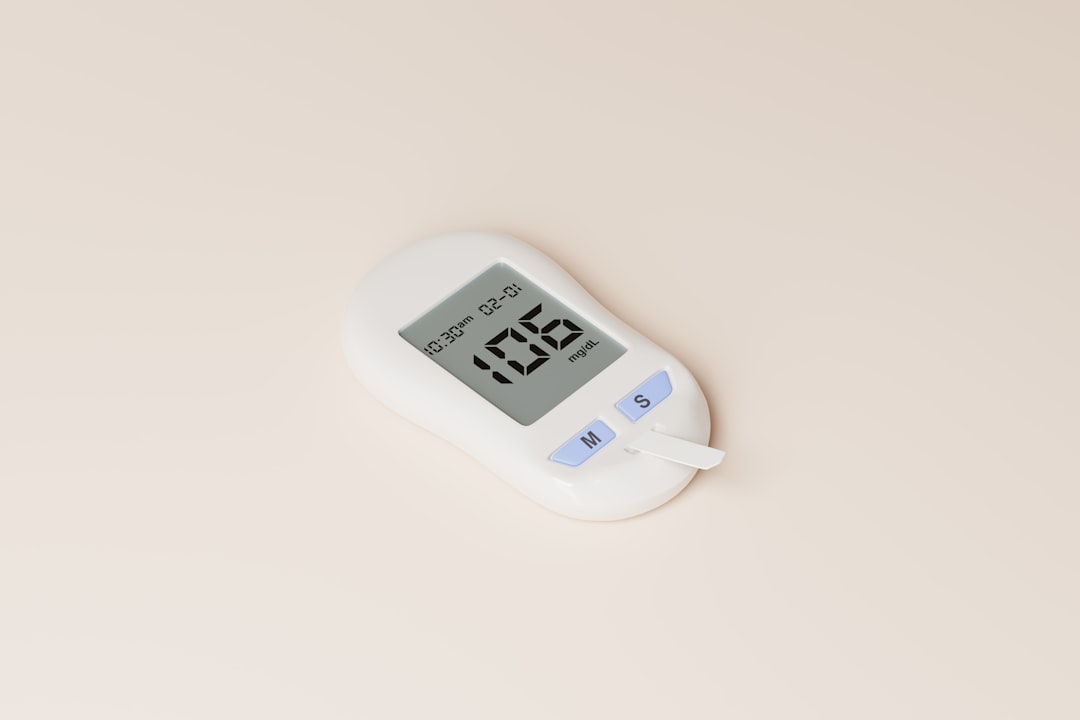
What happens when a MiniMed insulin pump fails to deliver the right dose?
Clinician assesses patient suitability and prescribes pump therapy with individualised insulin settings
Patient receives structured education on pump use, alarm recognition, and emergency protocols
Regular clinical review monitors glucose control, device function, and infusion site health
Device alarms or glucose readings prompt immediate clinical response and pump review
Stable glucose levels, safe ongoing therapy, and documented follow-up
If any of these steps was skipped or poorly handled, a gap in care may have contributed to the harm you experienced.
Understanding MiniMed insulin pumps: what they are and what normally happens
A MiniMed insulin pump is a small, wearable device made by Medtronic. Doctors prescribe it most often for people with Type 1 diabetes, though some people with Type 2 diabetes also use one. The pump delivers insulin continuously through a thin tube called a cannula, which sits just under the skin — usually on the abdomen.
Unlike multiple daily injections, a pump mimics the way a healthy pancreas works. It delivers a slow, steady background dose of insulin (called a basal rate) throughout the day and night. When a person eats, they programme a larger burst of insulin (called a bolus) through the pump’s controls.
How the system is supposed to work
Newer MiniMed models — particularly the MiniMed 670G and 780G — include a continuous glucose monitor (CGM) that communicates with the pump. This creates what Medtronic calls a “closed-loop” or “hybrid closed-loop” system. The pump reads glucose levels every few minutes and adjusts the insulin delivery automatically. Clinicians and patients often call this an “artificial pancreas” system.
For this system to work safely, several things must happen. A trained endocrinologist or diabetes specialist must set the pump’s initial parameters carefully. The patient must receive thorough education on how to use the device, how to recognise alarms, and what to do if the system stops working. Regular clinical reviews must check that glucose control remains stable and that the infusion site is healthy.
For more general information about insulin pump therapy, Healthdirect Australia provides a useful starting point.
Key fact: MiniMed pumps have been subject to multiple product recalls and safety alerts in Australia and internationally, including alerts related to over-delivery of insulin and software errors.
Key fact: The Therapeutic Goods Administration (TGA) in Australia monitors medical device safety and publishes recall notices when a device poses a risk to patients.
Key fact: A pump malfunction is not always the patient’s fault — device errors, programming errors by clinicians, and inadequate training all contribute to adverse events.
Key fact: Hypoglycaemia caused by insulin over-delivery can cause seizures, loss of consciousness, and permanent brain injury if not treated quickly.
When things start to go wrong
Problems with MiniMed pumps can develop quickly or build slowly over days. Some people notice something is wrong immediately. Others only realise something went wrong after they end up in hospital.
Recognising the early signs of a pump problem — and knowing which signs are serious — can make a real difference to outcomes.
Warning signs that should have prompted action:
• Unexplained high or low blood glucose readings that do not respond to correction
• Pump alarms that keep repeating, including “no delivery,” “motor error,” or “occlusion” alerts
• Redness, swelling, or pain at the infusion site, which may indicate the cannula has failed
• Symptoms of hypoglycaemia: shakiness, sweating, confusion, rapid heartbeat, or loss of consciousness
• Symptoms of hyperglycaemia or diabetic ketoacidosis (DKA): nausea, vomiting, fruity-smelling breath, extreme thirst, or difficulty breathing
• A CGM reading that does not match how the person feels — especially if the sensor has not been calibrated recently
• Insulin that looks cloudy or discoloured in the reservoir
Some of these signs are expected minor issues that any pump user will encounter occasionally. Others — particularly repeated alarms, unresponsive glucose levels, or any symptom of DKA — require urgent clinical attention. A clinician who dismisses these signs without investigation creates a real risk of serious harm.
A common pattern — where care can break down
Many people who experience harm from a MiniMed pump failure describe a similar pattern. Something went wrong with the device or its management, they raised concerns, and those concerns were not taken seriously quickly enough. Understanding the specific points where care commonly breaks down helps make sense of that experience.
Inadequate training at the start of therapy
Starting insulin pump therapy is not simple. A patient needs to understand how to programme the device, how to change the infusion set, how to respond to alarms, and what to do if the pump stops working. When a clinician or diabetes educator rushes this training — or skips parts of it entirely — the patient is left without the knowledge to protect themselves. This gap can be fatal in an emergency.
Incorrect pump settings programmed by the clinical team
A diabetes specialist or endocrinologist sets the pump’s basal rates, insulin-to-carbohydrate ratios, and correction factors. Getting these wrong — particularly setting a basal rate too high — can cause the pump to deliver dangerous amounts of insulin over hours or days. Patients often have no way to detect this error without clinical guidance.
Failure to act on known device recalls or safety alerts
Medtronic has issued multiple safety communications about MiniMed pumps, including alerts about software errors that could cause the pump to deliver more insulin than programmed. When a clinician or hospital fails to notify a patient about a relevant recall, or fails to replace or update a recalled device, that patient remains at risk from a known hazard.
Delayed response to deteriorating glucose control
When a patient reports persistent high or low readings, or attends a clinic or emergency department with concerning symptoms, a timely clinical response is essential. Delays in reviewing the pump, checking the infusion site, or switching to an alternative insulin delivery method can allow a serious situation to become a catastrophic one.
Failure to monitor adequately in hospital
Patients admitted to hospital while using an insulin pump require careful monitoring. Some hospitals have policies requiring staff to take over insulin management from the pump during admission. When hospital staff lack training in pump management, or when no clear protocol exists, errors in insulin delivery can occur in a setting where the patient is already unwell.
The Australian Commission on Safety and Quality in Health Care sets national standards for the safe management of high-risk medicines, including insulin, in Australian hospitals.
Why this matters legally
Every clinician who treats a patient with an insulin pump owes that patient a duty of care — a legal obligation to provide treatment that meets the standard a competent clinician in the same field would provide. This duty applies to the prescribing specialist, the diabetes educator, the hospital, and any other clinician involved in managing the device.
Not every bad outcome from pump therapy amounts to negligence. Negligence — in plain terms — means a clinician or institution fell below the standard of reasonable care, and that failure caused harm the patient would not otherwise have suffered. A pump alarm that a patient missed, or a glucose reading that fluctuated despite correct management, is not automatically someone else’s fault.
But when a clinician failed to act on a known recall, programmed a pump incorrectly, dismissed serious symptoms, or left a patient without adequate training, the picture changes. Those are failures that a competent clinician would not have made. For more on how the law treats these situations, see Reframe Legal — Medical Negligence.
A patient experiences a hypoglycaemic episode despite correct pump settings and thorough training — because glucose levels in diabetes can fluctuate unpredictably even with optimal management.
A clinician continued prescribing a MiniMed model subject to an active TGA recall without informing the patient, and the patient suffered a serious insulin over-delivery event as a result.
This is a general educational framework only. Each case is assessed on its individual facts.
When MiniMed pump failures may amount to medical negligence
Several specific scenarios involving MiniMed pumps may give rise to a legal claim in NSW. Each one links a clinical failure to a foreseeable harm.
If a clinician failed to notify you of a product recall. Medtronic has issued safety communications about specific MiniMed models — including the MiniMed 600 series — relating to software errors that could cause the pump to deliver more insulin than programmed. A clinician who knew about a relevant recall and did not act on it may have fallen below the standard of care.
If the pump was programmed incorrectly. Setting a basal rate too high, or entering an incorrect insulin-to-carbohydrate ratio, can cause dangerous insulin over-delivery over hours. When a clinician made this error and the patient suffered a hypoglycaemic event as a result, the link between the failure and the harm may be direct.
If your symptoms were dismissed. A patient who reported persistent glucose instability, repeated pump alarms, or symptoms of DKA — and whose concerns a clinician dismissed without investigation — may have suffered harm that timely action would have prevented.
If hospital staff managed the pump incorrectly. Hospitals have a responsibility to manage high-risk medicines safely. When nursing or medical staff made programming errors, or failed to follow an insulin pump protocol during an admission, the hospital may bear responsibility for the resulting harm.
In NSW, the Civil Liability Act 2002 governs how courts assess whether a clinician’s conduct fell below the standard of a reasonable practitioner in the same field. The Act requires courts to consider what a peer group of competent clinicians would have done in the same circumstances.
When harm becomes long-term or permanent
For many people, a MiniMed pump failure is a frightening but recoverable event. For others, the consequences are permanent.
Physical consequences
Severe hypoglycaemia — particularly when it causes loss of consciousness or seizures — can deprive the brain of glucose long enough to cause lasting neurological damage. This may present as memory problems, difficulty concentrating, personality changes, or in the most serious cases, permanent cognitive impairment. Repeated episodes of DKA can damage the kidneys, heart, and other organs over time.
Psychological consequences
Living through a serious hypoglycaemic event is traumatic. Many people develop a lasting fear of low blood sugar — a condition clinicians call “hypoglycaemia unawareness anxiety” — which can itself interfere with diabetes management. Some people develop post-traumatic stress disorder after a pump failure that led to hospitalisation or a near-death experience.
Financial consequences
Long-term neurological or organ damage from a pump failure can affect a person’s ability to work, drive, or live independently. Ongoing medical costs — including specialist appointments, rehabilitation, and alternative diabetes management — add up quickly. For younger patients, the lifetime financial impact of a serious pump injury can be substantial.
-
1Acute eventPump malfunction causes insulin over-delivery or under-delivery. The patient experiences hypoglycaemia, hyperglycaemia, or DKA. Emergency treatment is required.
-
2Short-term recoveryGlucose levels stabilise. The patient is discharged. At this point, the full extent of any neurological or organ damage may not yet be clear.
-
3Emerging long-term effectsOver weeks and months, cognitive changes, fatigue, anxiety, or organ complications become apparent. The patient may struggle to return to work or normal daily activities.
-
4Permanent impactIn serious cases, neurological damage or organ impairment becomes a permanent part of the patient’s life. Ongoing care, lost income, and reduced quality of life all form part of the harm suffered.
What compensation can cover in MiniMed pump cases
In NSW, a successful medical negligence claim can cover several categories of loss. These include pain and suffering, lost income (past and future), the cost of ongoing medical treatment, and the cost of care and assistance the person now needs because of their injury.
Where a MiniMed pump failure caused permanent neurological damage or long-term organ harm, the financial impact can be significant. Courts and insurers assess each case on its own facts — the severity of the injury, the patient’s age and occupation, and the extent to which the harm was caused by the clinical failure rather than the underlying diabetes.
| Level of harm | Typical compensation range |
|---|---|
| Moderate injury | $50,000–$150,000 |
| Serious injury | $150,000–$500,000 |
| Severe / life-changing injury | $500,000+ |
Each case is assessed on its own facts. These figures are general ranges only.
Time limits apply in NSW. Generally, a person has three years from the date they knew — or ought reasonably to have known — that they suffered harm as a result of a clinical failure. For children, different rules apply. Acting within the time limit is important.
Bringing it together — do the pieces fit?
If you experienced a serious event involving a MiniMed pump, it can be hard to know whether what happened to you was an unavoidable complication or something that better care could have prevented. These questions may help you think it through.
For a detailed explanation of how these cases proceed in NSW, see Reframe Legal — How Medical Negligence Claims Work in NSW.
You don’t need certainty to understand your position
Most people who experienced a serious MiniMed pump event do not know — at first — whether what happened to them was preventable. That uncertainty is normal. It does not mean your experience was acceptable, and it does not mean you have no options.
Legal clarity comes from examining the facts: what the clinician knew, what they did, what they should have done, and what harm followed. A lawyer with experience in medical device and negligence cases can review your medical records and the device’s history and give you an honest assessment of whether the care you received met the expected standard.
You do not need to arrive with a fully formed view of what went wrong. Many people begin that process simply by asking whether what happened to them was normal — and finding out it was not.
For more on the role of informed consent in pump therapy — including whether you were properly told about the risks of your specific device — see Reframe Legal — Informed Consent and Medical Negligence.
If you want to understand the regulatory framework that governs clinicians in Australia, AHPRA — Australian Health Practitioner Regulation Agency oversees the registration and conduct of medical practitioners and other health professionals.
About the lawyer behind this article

Dr Rosemary Listing is a NSW lawyer with a PhD in medical negligence. Her academic and clinical legal work focuses on the gap between the care patients are owed and the care they actually receive — particularly in cases involving complex medical devices and chronic disease management.
Dr Listing has worked on cases involving insulin pump failures, including situations where clinicians failed to act on device recalls, programmed pumps incorrectly, or dismissed patients’ reports of glucose instability before a serious event occurred. She understands both the clinical complexity of diabetes management and the legal framework that governs it.
A recurring theme in these cases is that the most serious harm does not come from the diabetes itself — it comes from delays, oversights, and failures in the management of the device. A pump that delivers the wrong dose of insulin for hours, undetected, can cause harm that would never have occurred with attentive clinical oversight.
Most people who approach Dr Listing are not looking to blame anyone. They want to understand what happened to them, whether it was preventable, and what their options are. That is the starting point for every assessment she undertakes.
Dr Listing’s role is to examine the facts of what happened — the clinical records, the device history, the communications between patient and clinician — and assess honestly whether the standard of care was met. Where it was not, she helps clients understand what that means for them.
This article is general legal information only. It does not constitute legal advice. Each person’s circumstances are different. The law discussed applies to New South Wales, Australia. Time limits apply to legal claims.