"It Was Five Days Before I Held Her": Cooling, Rewarming and the First Week in NICU
Birth injury to babies · 17 min read · Published 28 October 2026 · Reviewed 28 October 2026 · Next review April 2027
By Dr Rosemary Listing, PhD (Law) · Medical negligence lawyer since 2013 · Of Counsel, Peter Evans & Associates
If your baby is being cooled, the team suspects hypoxic-ischaemic encephalopathy (HIE): a brain injury from a lack of oxygen or blood flow around birth. Cooling holds your baby's temperature at 33 to 34°C for about 72 hours, then warms them slowly, to reduce the risk of death or disability. NSW guidance says it should start within six hours of birth. This guide explains each stage of the first week, what good care looks like under the NSW and Victorian guidelines, what you can do for your baby while you can't hold them, and what to ask.
Cooling (therapeutic hypothermia) is standard care in Australia for babies born at 35 weeks or later with moderate or severe HIE. It lowers the baby's core temperature to 33 to 34°C for about 72 hours, followed by gradual rewarming, and works best when started within six hours of birth. Cooling means your baby may need to stay in a NICU for at least a week, but it does not tell you how your baby will develop.
The first week, step by step · tap a step to jump to it
- 1 · The first hour · Resuscitation, cord gases and the first checks
- 2 · Hours one to six · Hourly brain checks and the call to the retrieval team
- 3 · Days one to three · 72 hours of cooling in NICU
- 4 · Day three or four · Slow rewarming
- 5 · Days four to seven · Holding, feeding, the MRI
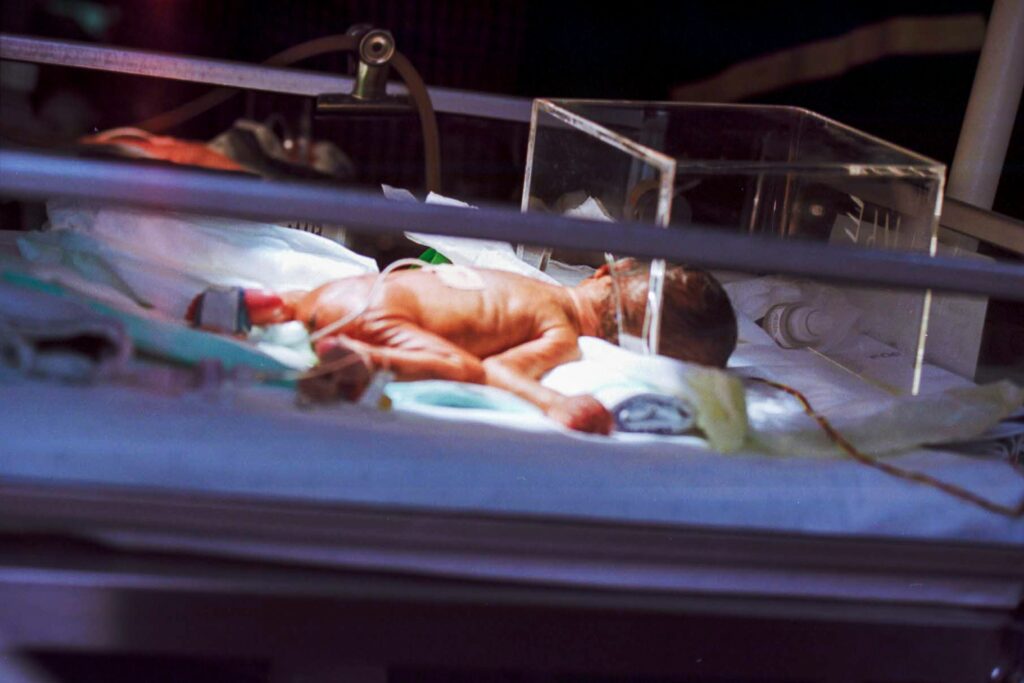
"Nobody had said the word cooling to me before. I was in recovery after the caesarean, still shaking, when the retrieval team wheeled a clear plastic box past the door. My partner went with her. The last thing I saw was her foot. It was a grey-blue I had never seen on a baby, with a white probe taped to it.
That night a nurse sent us a photo from the NICU, two hours away. She was lying on a blue mat in just a nappy, with wires coming out of her hair. In the corner of the screen it said 33.5°C. I zoomed in on that number again and again, trying to work out whether it was good or bad. Nobody had told me she was meant to be that cold.
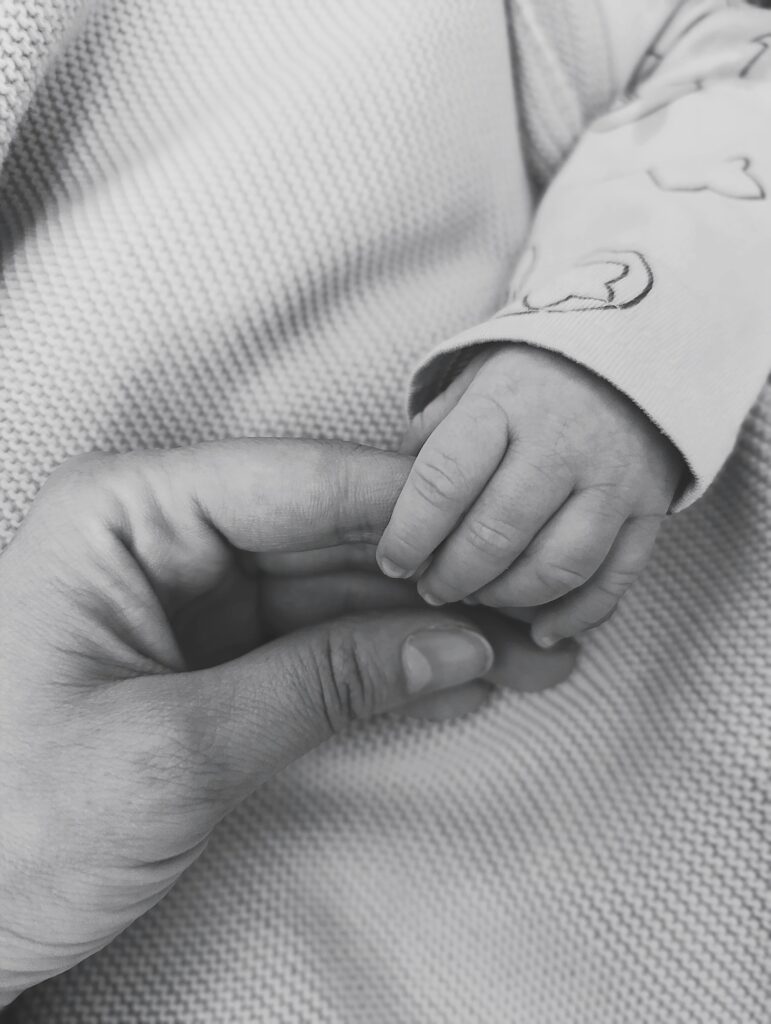
It was five days before I held her."
A composite story, drawn from the experiences of many families I have worked with, combined and changed so that no one can be identified. It does not describe any individual client.
If you are reading this beside a cooling cot, or in a ward bed a long way from one, I am so sorry. The first week after HIE is frightening, and it often comes after a pregnancy where nothing seemed wrong.
I am a medical negligence lawyer, not a doctor. I have practised since 2013 and worked on many hundreds of claims, including for families after injuries at birth. My doctoral research looked at patterns of failure in medical negligence. Everything clinical in this guide is drawn from, and checked against, the NSW and Victorian neonatal guidelines listed at the end. It is general information: your baby's own team is the right source for anything about your baby.
What HIE and cooling actually are
Hypoxic-ischaemic encephalopathy (HIE) · A type of brain dysfunction in a newborn caused by a lack of oxygen in the blood and/or reduced blood flow to the brain from an acute event around the time of birth. It is graded as mild, moderate or severe.
In plain terms: something during labour or birth meant your baby's brain didn't get enough oxygen for a period of time. Doctors check how your baby's brain is working in the first hours to judge how serious that was.
Therapeutic hypothermia ("cooling") · The controlled, intentional lowering of a baby's core temperature to a continuously monitored target, usually 33 to 34°C, for a set period, to protect the brain.
In plain terms: injured brain cells keep being damaged for hours and days after the oxygen comes back. Cooling slows that second wave down.
The evidence for cooling is strong. A Cochrane review led by Melbourne neonatologist Susan Jacobs pooled the major trials and found that cooling reduced death and major disability in babies with moderate or severe HIE. Safer Care Victoria's guideline notes the benefit is seen at 18 to 24 months and at school age, and that the main short-term side effects are a slower heart rate and lower platelets. You are not alone: the NSW Agency for Clinical Innovation guide reports that 358 babies born after 34 weeks in the Australian and New Zealand neonatal network were cooled in 2020.
What should happen, hour by hour
NSW replaced its old cooling policy with a clinical practice guide from the Agency for Clinical Innovation, last revised in June 2024. Victoria's neonatal eHandbook and Queensland's HIE guideline (reissued July 2026) cover the same ground. Here is the first week as those documents describe it.
Step 1 · The first hour
When there has been an acute event in labour, such as a uterine rupture, placental abruption, cord prolapse or prolonged shoulder dystocia, or a fetal heart trace in the "red zone", or the baby needs active resuscitation, the NSW guide expects:
- resuscitation and stabilisation first: breathing, circulation and blood sugar come before cooling
- paired cord blood gases, or a blood gas from the baby within the first hour if cord gases can't be taken
- admission to a neonatal unit for close monitoring if the results or the baby's condition meet the pathway's criteria
- avoiding overheating: the guide warns that a core temperature above 37.5°C increases the risk of death and disability
Step 2 · Hours one to six
This is the window that matters most. Babies at risk should be assessed with the Newborn Encephalopathy Assessment Tool every hour for the first six hours, scoring alertness, activity, posture, tone, suck, the startle (Moro) reflex and breathing and heart patterns. HIE evolves in these hours: some babies improve, some get worse.
In NSW, a baby qualifies for cooling if all three of these are met:
| Criterion | What it means |
|---|---|
| 1. Age and size | 35 weeks or more, at least 1,800 g, and less than 6 hours old |
| 2. Evidence of a severe event at birth (any one) | Cord or baby blood pH below 7.00, or base excess of –12 or worse, in the first hour; Apgar score below 6 at 10 minutes; or resuscitation still needed at 10 minutes |
| 3. Moderate or severe encephalopathy (any one) | Three or more moderate or severe features on the assessment tool between 1 and 6 hours; or two features plus an abnormal brain-wave trace (aEEG); or seizures |
If a baby has two or more features, or a seizure, staff should request a senior review and call the newborn retrieval service: NETS in NSW, PIPER in Victoria. Cooling must not start without that discussion. If the team isn't sure, the guide says the baby can be transferred to a NICU for further assessment.
Most babies with HIE are born in hospitals without a NICU. Safer Care Victoria notes that 60% of babies in the Australian cooling trial were born elsewhere and transferred. So cooling often starts in a smaller hospital as "controlled passive cooling": the baby is undressed, the overhead heater is turned off and the temperature is checked every 15 minutes, sometimes with refrigerated gel packs, while the retrieval team travels.
Step 3 · Days one to three: 72 hours of cooling
In NICU, cooling usually continues on a temperature-controlled blanket or mattress, with a probe measuring the baby's core temperature continuously. Your baby may also have:
- leads on the head for brain-wave monitoring (aEEG or EEG), to look for seizures, including ones you can't see
- breathing support, from a ventilator to CPAP to none at all
- an intravenous drip, with no milk by mouth while cooling
- medicines for comfort, and for seizures if they happen
- regular blood tests for kidney and liver function, blood sugar and clotting
Your baby will feel cool to touch and may look pale or mottled. That is expected, and the NSW guide says staff should prepare you for it. The team can stop cooling early in rare circumstances, such as serious bleeding or heart rhythm problems.
Step 4 · Day three or four: rewarming
After about 72 hours, your baby is warmed back to a normal temperature slowly, over several hours, with close monitoring. Parents often describe rewarming as the most nerve-racking part, because seizures can appear as the temperature rises. Ask the team how they will rewarm your baby, how long it will take, and what they will be watching for.
Step 5 · Days four to seven: holding, feeding and the MRI
Once rewarmed and stable, many babies can be held properly for the first time. Milk feeds usually start slowly, often through a nasogastric tube at first. An MRI is usually done in the first week after rewarming. Waiting for it is hard; my guide to reading your baby's MRI and EEG results explains what the reports mean.
What you can do while you can't hold your baby
"I just sat there" is how many parents describe the first days. But the NSW guide makes caring for the family part of the treatment. It recognises that parents of babies with HIE are traumatised, both by the birth and by the cooling, and it asks staff to:
- meet you face to face, and explain your baby's condition and the cooling clearly and honestly
- give you a written information sheet about cooling
- encourage you to care for your baby, for example with nappy changes
- encourage and support you to express breast milk
- give you the name, location and phone numbers of the hospital your baby is transferred to
- offer extra support early to families for whom separation may be especially hard, including Aboriginal families and refugee families
Practices vary between units, and some now help parents hold their baby during cooling. If no one has offered, ask. You can also:
- rest your hand on your baby, talk, read or sing; your voice is familiar
- express milk, even small amounts; colostrum can be stored or used for mouth care
- keep a simple diary: times, what you were told and by whom, and questions for the next ward round
- ask for a family meeting with the consultant neonatologist, not only the resident overnight
- call the Miracle Babies NurtureLine on 1300 622 243, 24 hours a day, to speak with parents who have been where you are
A second family, a different first week
"We were lucky in one way. He was born at our own hospital, so there was no ambulance and no waiting. They started cooling him within the hour, and I remember thinking, okay, the worst part is over.
On the second night the alarm on the brain monitor went off. The junior doctor came in, looked at the screen and said, 'He's having a seizure.' Then she was called away. Daniel and I sat there until morning watching his hands, his eyelids, his mouth, waiting for it to happen again. Every twitch looked like a seizure to us.
On the ward round the consultant pulled up a chair and went through the trace with us. It was movement, from him being handled. It wasn't a seizure. I cried, partly from relief, and partly because we had spent the whole night alone with that word.
Nothing about his care went wrong. But after that I asked for one thing: ten minutes with the consultant every day. The same person, the same chair. It changed the whole week."
A composite story, drawn from the experiences of many families I have worked with, combined and changed so that no one can be identified. It does not describe any individual client.
What Priya needed wasn't more information. It was one clear, senior voice. You are allowed to ask for that, every day if you need it.
Questions to ask in the first week
Questions about cooling · copy these into your phone
1. Why does my baby meet the criteria for cooling? What were the cord gas results and the Apgar scores?
2. What time was my baby born, what time did cooling start, and what time did it reach 33 to 34°C?
3. Has my baby had any seizures? On the monitor, or seen by staff?
4. What medicines is my baby on, and why?
5. Can I touch my baby, change nappies, or hold my baby during cooling?
6. How will rewarming be done, how long will it take, and what will you watch for?
7. When is the MRI likely, and who will explain the result to us?
8. Who is the consultant responsible for my baby, and when can we meet them?
9. Is there a social worker, and can we get help with travel and accommodation?
You won't remember everything. It is fine to ask staff to write things down, to record a family meeting with permission, or to bring a support person.
When it can point to something going wrong
Many babies are cooled after care that was excellent from start to finish. HIE can follow a sudden event no one could have predicted. And a 2026 study from one tertiary NICU found that about 1 in 10 babies cooled for presumed HIE turned out to have a different cause, such as a metabolic or genetic condition.
But the first hours leave a record, and these are the kinds of things an independent expert would look at:
- whether warning signs in labour were recognised and acted on, measured against RANZCOG's fifth edition of the intrapartum fetal surveillance guideline and NSW's fetal heart rate monitoring guideline
- whether paired cord gases were taken at an at-risk birth
- whether hourly encephalopathy assessments were done and documented, or the baby was left in the postnatal ward
- how long it took to call NETS or PIPER, and to start cooling, against the six hour window
- whether the baby overheated before or during transfer
- whether the family was told what was happening, honestly and promptly
If your baby was not cooled at all, or cooling started late, that deserves its own careful look. My guide to babies who weren't cooled explains how the criteria apply to borderline and late-recognised babies.
The hospital should already be reviewing it
Many parents don't know this. In NSW, the ACI guide asks birthing services to lodge an incident report for every baby of 35 weeks or more born with severe acidosis, a low 10-minute Apgar or prolonged resuscitation. Neonatal units should do the same for babies with moderate or severe HIE or who are cooled. Term babies who are cooled or diagnosed with severe HIE should also be reported to the Ministry of Health under the Incident Management policy. Under that policy, when a serious adverse event review is finished, the family is to be invited to meet and hear the findings.
The Australian Open Disclosure Framework and NSW's open disclosure policy also require the hospital to talk to you honestly when a patient has been harmed. You are entitled to ask, now or later: has my baby's birth been reported, and is it being reviewed?
How the law looks at it
To succeed in a negligence claim, you generally need to show that care fell below the accepted standard and that this caused, or made worse, the injury. In NSW, section 5O of the Civil Liability Act 2002 says a professional is not negligent if they acted in a way widely accepted by peer professional opinion as competent practice, unless that opinion is irrational. Causation is dealt with in section 5D. In HIE cases, that usually means an obstetrician or midwife comments on labour care, a neonatologist on the care after birth, and a paediatric neurologist or neuroradiologist on when and how the injury happened.
Information is part of care too. In Rogers v Whitaker (1992) 175 CLR 479, the High Court made clear that patients are entitled to the information a reasonable person would want. That includes parents making decisions for their baby.
Time limits work differently for children, and the rules vary between states. They are generally more generous for a child's own claim than for an adult's, but delay still costs evidence: CTG traces, staff memories and equipment logs don't keep forever. Our guide to NSW time limits explains the general rules, and it is better to ask early than to wait. None of this needs doing this week. This week is for your baby and for you.
In my practice
The phrase I hear most from parents about the first week is "nobody told us anything". Often that isn't quite true: they were told a great deal, at 2 a.m., by someone they had never met, while they were in shock. What they missed was one clear, senior, repeated explanation.
My doctoral research looked at how harm in health care tends to come from chains of small things rather than one dramatic error. HIE cases can follow the same pattern: a trace that looked "a bit flat", a registrar in theatre, a call to the retrieval team made at hour five instead of hour two. Each link can look small on its own. That is why the records from these first hours matter so much, and why it is worth getting them while everything is fresh. Our guide to getting and reading your birth records explains how.
"It was about four months before I asked for the records. I think part of me didn't want to know.
I'd always told it the same way. Labour slowed down after the epidural. Then suddenly the room was full of people, and she came out pale and silent. That's what I saw. What I didn't see was what was written down.
Rosemary and I went through it line by line. The heart trace had been noted as 'suspicious' for a long time before a registrar came to look. Her cord pH was 6.9. Someone was meant to check her brain signs every hour; there were notes at two hours and at four, and nothing in between. The call to the retrieval team was at four and a half hours. By the time she reached cooling temperature in the NICU, it was past six.
For months I'd thought: I should have been there. I should have pushed. I couldn't even hold her. Seeing the times written down in a row didn't take that away. But it showed me something I hadn't let myself believe. None of those decisions were mine to make."
A composite story, drawn from the experiences of many families I have worked with, combined and changed so that no one can be identified. It does not describe any individual client.
When I first sit with a family like Leah's, I don't know whether a timeline like that means the care fell short. That is what independent experts are for. But I do know how much it matters to a parent to see that the hours they blame themselves for were in someone else's hands.
Both/and: cooling is good care, and its timing still matters
Both things are true. Cooling is one of the best-supported treatments in newborn medicine, and the teams who provide it work extraordinarily hard. And because it works best early, the hours before cooling, in the birth suite and the special care nursery, deserve scrutiny when things go wrong. You can be deeply grateful to the NICU and still ask questions about what happened before your baby got there.
The bigger picture
NSW's guide exists because the State wanted consistent recognition of HIE in every hospital, not only the big ones. It came out of a consensus statement by the Clinical Excellence Commission and an expert group of neonatologists, obstetricians and midwives. The NSW Legislative Council's Birth Trauma inquiry found that much birth trauma stems from avoidable and preventable factors, and heard repeatedly from parents who felt shut out of information. Our birth injury map shows how HIE connects to injuries mothers suffer in the same births, such as haemorrhage, uterine rupture and complications of pre-eclampsia.
Support
- Miracle Babies Foundation: NurtureLine 1300 622 243, 24 hours, for families of sick and premature newborns, including in-hospital peer support.
- Life's Little Treasures Foundation: information, care packs and NICU Connections groups for families of sick and premature babies.
- PANDA (Perinatal Anxiety & Depression Australia): 1300 726 306, or panda.org.au. For you and your partner.
- Birth Trauma Australia: birthtrauma.org.au.
- Our guide to finding support after birth trauma.
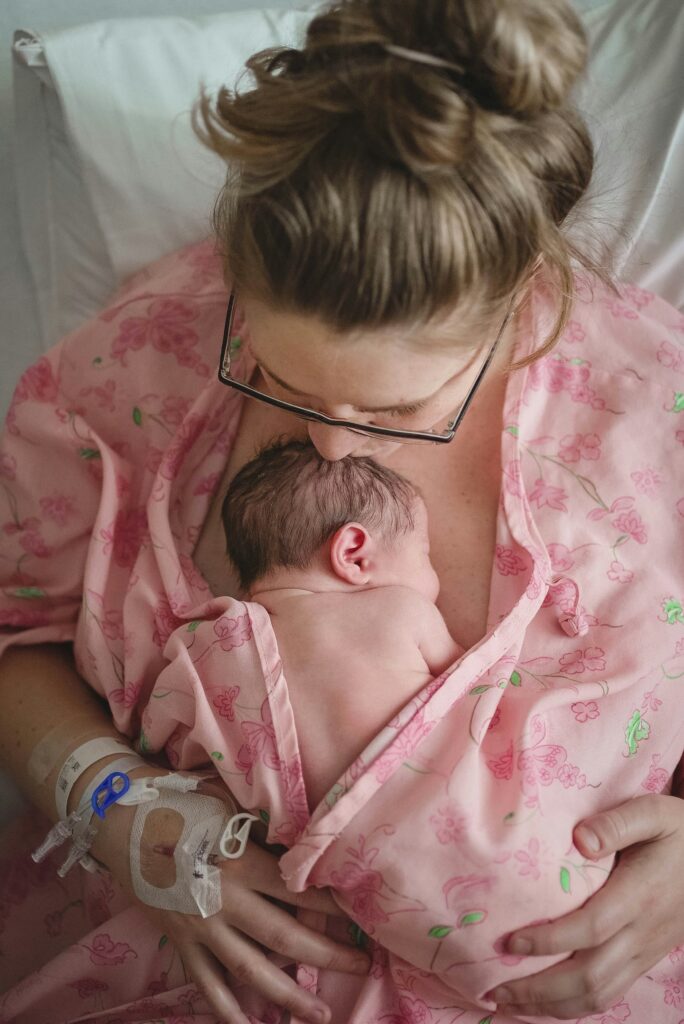
Leah held her daughter on day five, wires and all, in a chair beside the cot. "That's the moment I remember," she told me. "Not the alarms. Her weight on my chest." If you are still waiting for yours, I hope it comes soon. Whatever your baby's MRI shows and whatever happens next, you don't have to make sense of this week on your own.
With care,
Rosemary
Frequently asked questions
Why is my baby being cooled?
Because the team suspects moderate or severe HIE, a brain injury from a lack of oxygen or blood flow around birth. Cooling to 33 to 34°C for about 72 hours reduces the risk of death and disability, and works best when started within six hours.
Does cooling hurt my baby?
Babies can be uncomfortable and may shiver. Teams watch for distress and may give medicine for comfort. Ask the nurse caring for your baby how they are assessing comfort.
Can I hold my baby during cooling?
It depends on the unit and your baby's condition. NSW guidance encourages parents to take part in care, such as nappy changes, and some units now support holding during cooling. Ask the team what is possible.
What happens at rewarming?
After about 72 hours, your baby is warmed slowly over several hours with close monitoring, including for seizures. Ask how long it will take and what the team will watch for.
Does being cooled mean my baby has brain damage?
Not necessarily. Cooling is given when babies meet criteria in the first six hours. Some cooled babies have no lasting effects; some have significant ones; a few turn out to have a different cause. The MRI and your baby's progress over months give a clearer picture.
What if my baby wasn't cooled, or cooling started late?
NSW guidance expects at-risk babies to be assessed hourly for the first six hours, and the retrieval service called when criteria are met. If that didn't happen, it is worth asking why, and getting the records.
Should the hospital be reviewing what happened?
In NSW, cooled babies and babies with moderate or severe HIE should be reported through the incident system, and serious incidents reviewed. You can ask whether your baby's birth is being reviewed and ask to meet when it is finished.
Questions about your baby's care?
When you're ready, and not before, we can talk through what happened and look at the records with you, confidentially. There's no cost to find out where you stand.
Free case review Contact- HIE after birth: a guide for parents (hub)
- "We couldn't hold her for three days" (you are here)
- "Moderate, then mild after the MRI": what the grade means
- "My baby wasn't cooled"
- "The MRI says basal ganglia": reading the results
- "Still on the NG tube": feeding after HIE
- "Wait and see": the first two years
- "Tucked thumbs, head lag, stiff legs"
- Early intervention and the NDIS
- "Why didn't they do a caesarean sooner?"
- "The notes don't match what I saw"
- "They said there's no case because he's fine"
- "How long do we have?"
- "I keep replaying the birth"
- Pregnancy after HIE
- "I'm a nurse and I'd never heard of HIE"
More on birth injuries: birth trauma and obstetric negligence · asking for a birth debrief · making a complaint after a traumatic birth
References
- NSW Agency for Clinical Innovation. Hypoxic ischaemic encephalopathy in newborns: recognition, monitoring and early management. Clinical practice guide. Sydney: ACI; June 2024. aci.health.nsw.gov.au
- NSW Health. Information Bulletin IB2023_028, Hypoxic ischaemic encephalopathy in newborns. health.nsw.gov.au
- Clinical Excellence Commission. NSW Consensus Statement: Newborn Hypoxic Ischaemic Encephalopathy. cec.health.nsw.gov.au
- Sydney Children's Hospitals Network / NETS. Hypoxic Ischaemic Encephalopathy in the Newborn, Guideline 2014-5005. schn.health.nsw.gov.au
- Safer Care Victoria. Therapeutic hypothermia for hypoxic ischaemic encephalopathy: initiation in special care nurseries. safercare.vic.gov.au
- Royal Children's Hospital Melbourne, PIPER Neonatal. Therapeutic Hypothermia for Hypoxic Ischaemic Encephalopathy. rch.org.au
- Royal Hospital for Women, South Eastern Sydney LHD. Hypoxic-Ischaemic Encephalopathy (HIE) in Infants ≥35 Weeks Gestation, CLIN070. seslhd.health.nsw.gov.au
- Queensland Clinical Guidelines. Hypoxic-ischaemic encephalopathy (HIE), July 2026. health.qld.gov.au
- Jacobs SE, Berg M, Hunt R, Tarnow-Mordi WO, Inder TE, Davis PG. Cooling for newborns with hypoxic ischaemic encephalopathy. Cochrane Database of Systematic Reviews 2013, CD003311. cochranelibrary.com
- Alternative diagnoses in neonates undergoing therapeutic hypothermia for presumed hypoxic–ischemic encephalopathy. PubMed Central
- Royal Australian and New Zealand College of Obstetricians and Gynaecologists. Intrapartum Fetal Surveillance (C-Obs 1), 5th edn, September 2025. ranzcog.edu.au
- NSW Health. Guideline GL2018_025, Maternity: Fetal Heart Rate Monitoring. health.nsw.gov.au
- NSW Health. Policy Directive PD2020_047, Incident Management. health.nsw.gov.au
- NSW Health. Policy Directive PD2023_034, Open Disclosure. health.nsw.gov.au
- Australian Commission on Safety and Quality in Health Care. Australian Open Disclosure Framework, June 2026. safetyandquality.gov.au
- Legislative Council Select Committee on Birth Trauma (NSW). Birth trauma. Report, 2024. parliament.nsw.gov.au
- Rogers v Whitaker (1992) 175 CLR 479; [1992] HCA 58. austlii.edu.au
- Civil Liability Act 2002 (NSW), ss 5D and 5O. legislation.nsw.gov.au
Stories in this article are composites drawn from many families' experiences and have been changed so that no one can be identified. They do not describe any individual client.
Written by Dr Rosemary Listing, PhD (Law). Rosemary is a medical negligence lawyer and Of Counsel at Peter Evans & Associates. She has practised since 2013 and worked on many hundreds of claims, including for families after injuries at birth. Her doctoral research examined patterns of failure in medical negligence, and she is a Sessional Lecturer in Health Law at the University of Newcastle. She is responsible for all content published under her name.
Rosemary is not medically qualified. Clinical information in this article is drawn from, and checked against, the NSW, Victorian and Queensland neonatal guidelines and the research listed in the references. Legal information reflects the law as at the review date.
Last updated 28 October 2026. First published 28 October 2026. Next review April 2027.
Cite this article: Listing, R. (2026, October 28). "It Was Five Days Before I Held Her": Cooling, Rewarming and the First Week in NICU. Reframe Legal. https://reframelegal.com/hie-cooling-first-week-nicu/
This article is general information only. It isn't medical or legal advice about your situation, and reading it doesn't create a lawyer and client relationship. If you are worried about your baby, speak to your baby's medical team. If you are in crisis, call 000 or Lifeline on 13 11 14. Legal services are provided by Peter Evans & Associates.