
Cosmetic negligence
When Cosmetic Surgery Goes Wrong: Your Legal Rights
Cosmetic surgery is often undertaken with the expectation of improving appearance, confidence, and quality of life. When something goes wrong, the impact can be significant—not just physically, but emotionally and financially.
If you are dealing with complications after a cosmetic procedure, it can be difficult to know whether what you are experiencing is a recognised risk, or whether it should never have happened at all.
Many patients are told that complications are “normal” or “unavoidable.” In some cases, that is true. In others, it may be a sign that proper care was not taken.
This page explains the difference—and what your options may be.
Read about cosmetic negligence in different procedures
Breast Surgery
Rhinoplasty
Liposuction
Facelift
Blepharoplasty

Cosmetic surgery is different from other kinds of medical care
People usually approach cosmetic procedures feeling healthy, trusting, and hopeful. You place your body, face, confidence, and future in someone else’s care.
When something goes wrong, the harm is rarely only physical. It can affect how you look, how you feel, and how you move through the world.
You are entitled to safe, reasonable care, accurate information, and treatment performed with appropriate skill. When care falls below that standard, and you are harmed, the law recognises this as cosmetic surgery negligence.
Cosmetic negligence experience
Dr Rosemary Listing is a medical negligence lawyer with deep experience in complex cosmetic and surgical negligence matters.
She has led large-scale litigation involving more than 200 patients harmed by unsafe or poorly performed cosmetic surgery, including mass tort claims arising from systemic failures in surgical practice. These cases required careful design, detailed medical analysis, and the ability to hold insurers and institutions accountable when patients were not taken seriously.
Rosemary’s work focuses on building strong, evidence-led cases that cut through medical and legal complexity. Clients seek her out when surgery has gone wrong, and they need a lawyer who understands cosmetic negligence at scale and knows how to move matters toward resolution with clarity and purpose.
She has also been featured as a legal expert on Surgery Secrets: Beauty’s Dark Side, the Operation Redress series examining the realities of cosmetic surgery and patients’ rights when procedures cause harm.
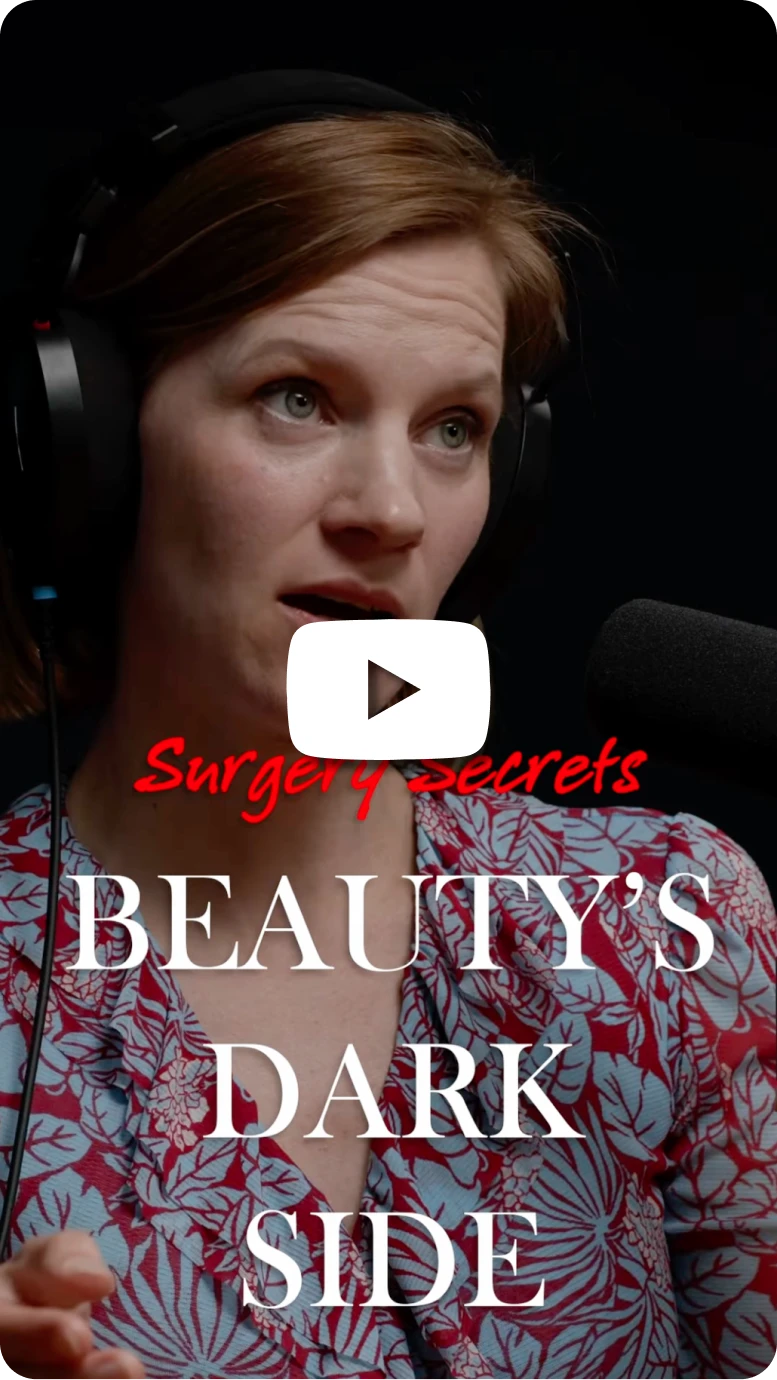
Operation Redress Podcast
Suing Your Surgeon ft. Dr Rosemary Listing
What counts as cosmetic surgery negligence?
Negligence in cosmetic procedures is rarely one dramatic mistake. It almost always happens through a series of misjudgements, omissions, and failures across the entire process.
Surgical Errors And Poor Technique
- Severe asymmetry
- Nerve damage
- Excessive scarring
- Implant malposition
- Retained screws, plates, or hardware
- Unexpected or avoidable deformity
- Tissue necrosis
Maxillofacial Or Dental Cosmetic Errors
- Wrong surgical planning for jaw procedures
- Unnecessary or inappropriate jaw surgery
- Misplaced plates or screws
- Breathing difficulties following surgery
- Damage to teeth, roots, or nerves
- Poor follow-up after major facial procedures
Cosmetic Injectables And Non-Surgical Injuries
- Vascular occlusion
- Skin necrosis
- Blindness
- Infection
- Bruising or deformity inconsistent with accepted practice
- Incorrect product, dose, or placement
Inadequate Consent And Misleading Information
- Failure to disclose risks
- Pressure to proceed
- Unrealistic promises or guarantees
- Lack of cooling-off periods
- Rushed, incomplete, or non-compliant consent
Postoperative Failures
- Poor monitoring
- Failure to address complications
- Dismissal or minimisation of concerns
- Delayed intervention
- Inadequate aftercare
Why cosmetic surgery cases need a different approach
Cosmetic surgery claims are more complex than standard medical negligence and require a lawyer who understands both medical nuance and aesthetic harm.
Aesthetic and medical complexity
These cases involve specialised anatomy, aesthetic expectations, and difficult distinctions between normal healing and preventable injury.
Higher vulnerability, lower transparency
Clients are often reassured or dismissed, while practitioners may rely on marketing rather than detailed clinical documentation.
Designed liability, not guesswork
By identifying patterns and causation across the full sequence of care, a clearer and stronger foundation for accountability is built.

Breast Augmentation Negligence
Over 200 cases. A clear pattern of preventable harm.
Breast augmentation injuries are one of the most common and most misunderstood forms of cosmetic negligence. Across more than 200 cases, the same issues appear repeatedly. Rushed assessments, inappropriate implant choices, poor surgical technique, inadequate consent, infection, and dismissive aftercare.
Common failures include severe asymmetry, capsular contracture, implant malposition, bottoming out, nerve damage, deformity, biofilm and pocket infections, and the need for revision or full reconstruction.
If you have experienced a poor outcome after breast augmentation, you deserve clear answers and an informed path forward.
Why this method works
Most firms specialise in only one aspect of these cases. Medical theory, surgical detail, or legal process. Reframe integrates all of them. Backed by extensive experience in complex cosmetic and maxillofacial litigation, the method combines medical understanding, pattern recognition, systems analysis, and careful narrative design.
Cosmetic and facial surgery cases demand:
- Pattern recognition
- Medical understanding
- Surgical systems analysis
- Emotional intelligence
- Precise documentation and case design
What our clients are saying about Peter Evans & Associates
We are so grateful for the outcome. Thank you again for all of your help and for the steady support throughout the process.

Satisfied client
Thank you to Rosemary and the whole team for your amazing support during such a difficult time. It meant more than you know.
Satisfied client
I do not know how I would have made it through everything without Rosemary and Peter. Your guidance, patience, and professionalism helped me feel safe and supported at every stage.
Satisfied client
We are so grateful for the outcome. Thank you again for all of your help and for the steady support throughout the process.
Satisfied client
Thank you to Rosemary and the whole team for your amazing support during such a difficult time. It meant more than you know.
Satisfied client
I do not know how I would have made it through everything without Rosemary and Peter. Your guidance, patience, and professionalism helped me feel safe and supported at every stage.
Satisfied client
Contact Dr Rosemary Listing At Peter Evans & Associates
Whether it is a medical injury, a contract dispute, or a workplace issue, uncertainty can be exhausting. You should not have to guess where you stand. You need clarity, fast.
Along with her team at Peter Evans & Associates, she will help you understand:
- Whether your situation has legal grounds worth pursuing
- What evidence or documentation matters most
- The smartest next step
Contact Peter Evans & Associates
Send an enquiry
Prefer to reach out directly? Complete the form below, and we’ll respond as soon as we can.
All enquiries go to Dr Rosemary Listing at Peter Evans & Associates.
Frequently asked questions
Do I have a case?
What can we cover in the first 15 minutes?
We identify the critical points in your situation, what evidence matters, and what the most sensible next step would be.
Do I need to bring documents or evidence?
Not for the first call. If further review is helpful, we will guide you clearly on what documents to gather.
Will I need to talk about traumatic details?
Only what you feel comfortable sharing. We guide these conversations gently and with care.
How long does a case usually take?
Our Systems Intelligence process allows tasks to run in parallel, creating faster and more predictable timelines.
How is your approach different?
We use a structured, PhD-backed methodology that focuses on clarity, design, and human centred strategy rather than reactive, adversarial processes.
What areas of medical negligence do you specialise in?
Cosmetic injury, birth injury, delayed diagnosis, surgical errors, and complex medical cases that require precise evidential mapping.