
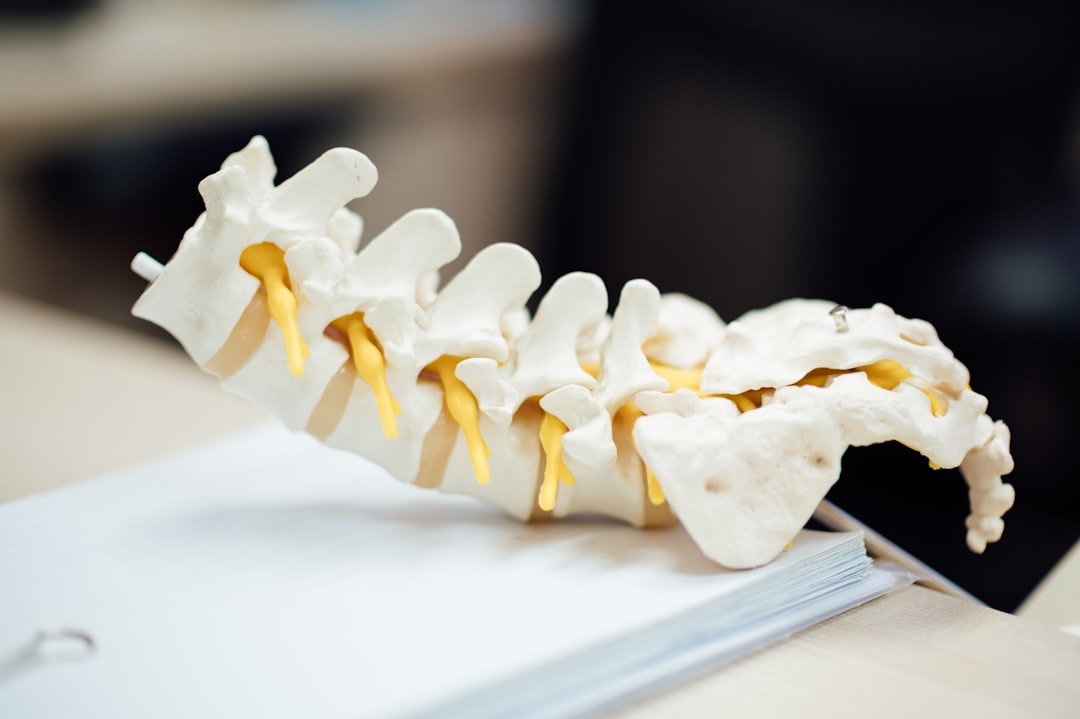
How much restricted mouth opening is normal after jaw surgery — and when should it worry you?
Many people ask this question quietly, months after their jaw surgery, still doing stretching exercises and warm compresses just to eat a meal. Some were told the stiffness would pass. Others were never told what to expect at all. If you are still struggling with restricted mouth opening long after your surgery, this article is written for you.
Surgery performed; jaw wired or banded shut for initial healing
Swelling and stiffness monitored; physiotherapy or jaw exercises prescribed early
Mouth opening measured at follow-up appointments; progress tracked against expected milestones
If opening remains restricted beyond expected timeframe, further investigation and specialist referral arranged
Patient achieves functional mouth opening (35–45mm) with minimal pain and no ongoing restriction
If any of these steps were skipped — particularly monitoring, early exercise prescription, or investigation of persistent restriction — that gap in care may be worth examining carefully.
Understanding trismus after jaw surgery: what it is and what normally happens
Trismus is the medical term for restricted mouth opening. After jaw surgery — including orthognathic surgery (surgery to reposition the jaw), wisdom tooth removal, or temporomandibular joint (TMJ) procedures — some degree of trismus is expected. Muscles swell, tissues heal, and the jaw stiffens as a natural response to surgical trauma.
Normal mouth opening for an adult sits between 35 and 45 millimetres — roughly three fingers placed vertically between the upper and lower front teeth. Most surgeons consider anything below 35mm to be restricted. An opening of around 38mm (approximately 1.5 inches) is at the lower end of normal, but context matters enormously. At one week post-surgery, 20mm might be completely expected. At twelve months, it is not.
What the recovery timeline usually looks like
In the first two to four weeks after jaw surgery, significant swelling limits opening. Most patients manage 15 to 25mm during this period. By six to eight weeks, opening typically improves to 30mm or more as swelling resolves. By three months, most patients reach functional opening — enough to eat soft foods comfortably and speak without strain.
Surgeons and physiotherapists usually prescribe jaw-opening exercises early in recovery. These exercises — sometimes called “jaw stretching” or “range of motion exercises” — help prevent scar tissue from forming in a way that permanently limits movement. Warm compresses before exercises help relax the muscles. This is standard post-operative care, not a sign that something has gone wrong.
By six months, most patients have reached their maximum recovery. Ongoing restriction beyond this point — particularly restriction that still requires daily stretching exercises and warm compresses just to eat — is not typical, and warrants investigation. For more general information about jaw conditions and recovery, Healthdirect Australia provides a useful starting point.
Normal opening for adults: 35–45mm (roughly three finger-widths).
Expected restriction immediately post-surgery: 15–25mm in the first two to four weeks.
Typical recovery milestone: Functional opening (30mm+) by six to eight weeks.
When restriction becomes a concern: Opening below 35mm persisting beyond three to six months, especially with pain or joint sounds.
Crackling or clicking sounds: May indicate TMJ involvement or scar tissue formation — both warrant clinical assessment.
When things start to go wrong: warning signs after jaw surgery
Some discomfort and stiffness after jaw surgery is normal. But certain signs suggest the recovery is not progressing as it should. Knowing the difference helps you ask the right questions at your next appointment.
Warning signs that should prompt further assessment:
• Mouth opening still below 30mm at three months post-surgery
• No measurable improvement in opening between follow-up appointments
• Crackling, clicking, or grinding sounds from the jaw joint during movement
• Pain that worsens rather than improves over time
• Difficulty chewing soft foods more than six months after surgery
• Jaw deviating noticeably to one side when opening
• Numbness or altered sensation in the lips, chin, or tongue that persists beyond three months
• Needing warm compresses and stretching exercises more than six months post-surgery just to eat
Crackling sounds — sometimes described as crepitus — can indicate changes inside the temporomandibular joint itself. After jaw surgery, this may reflect scar tissue, altered joint mechanics, or damage to the joint disc. None of these resolve on their own without targeted treatment.
Pain that persists or worsens beyond the expected healing window is also significant. Early post-operative pain is normal. Pain at twelve months that still limits daily function is not. A treating surgeon or oral and maxillofacial specialist should investigate the cause, not simply reassure the patient that improvement will come with time.
A common pattern — where care can break down
Most people who end up with long-term trismus after jaw surgery did not experience one dramatic failure. Instead, a series of smaller gaps in care accumulated over months. Recognising these patterns can help you understand your own experience more clearly.
The Australian Commission on Safety and Quality in Health Care identifies failure to monitor and follow up as a recurring theme in surgical care outcomes. Jaw surgery is no exception.
No structured exercise programme prescribed. Jaw-opening exercises should begin within days of surgery, not weeks. When a surgeon or their team fails to provide a clear, written exercise plan — or fails to refer the patient to a physiotherapist — scar tissue forms unchecked. By the time restriction becomes obvious, it is much harder to reverse.
Restricted opening dismissed at follow-up. Some patients report raising concerns about limited opening at post-operative appointments, only to be told “it takes time” or “keep doing your exercises.” When a clinician measures restricted opening and does not document it, does not investigate the cause, and does not adjust the treatment plan, that is a failure to act on a clinical finding.
No referral to physiotherapy or a specialist. Persistent trismus beyond three months typically requires input from a physiotherapist experienced in jaw rehabilitation, or referral back to an oral and maxillofacial surgeon for further assessment. When neither happens — and the patient is simply told to continue warm compresses at home — the window for effective intervention narrows.
Underlying cause not investigated. Trismus can result from scar tissue, muscle fibrosis, TMJ damage, hardware complications, or infection. Each cause requires a different treatment approach. A clinician who does not investigate the cause cannot treat it effectively. Imaging — such as a CT scan or MRI — is sometimes necessary to understand what is driving the restriction.
Inadequate information given before surgery. Patients have a right to understand the realistic risks of their procedure before they agree to it. Long-term trismus is a known risk of jaw surgery. When a surgeon does not discuss this risk — or significantly understates its likelihood — the patient cannot make a genuinely informed decision about whether to proceed.
Significant stiffness in weeks one to four
Gradual improvement with prescribed exercises
Some residual tightness at three months
Occasional clicking during early recovery
Full or near-full opening by six months
Opening below 30mm at three months with no improvement
Persistent crackling or grinding sounds at the joint
Pain that worsens rather than fades over time
Still needing warm compresses to eat at twelve months
No exercise plan ever provided by the treating team
Why this matters legally
Every surgeon and treating clinician owes their patient a duty of care — meaning a legal obligation to provide treatment that meets the standard a competent practitioner in the same field would reasonably provide. This is not a guarantee of a perfect outcome. Complications happen even with excellent care. But when a clinician’s actions — or failures to act — fall below that standard, and those failures cause harm, the law may treat that as medical negligence.
Negligence, in plain terms, means a failure to take reasonable care that causes harm to another person. In the context of jaw surgery, this does not mean that any persistent trismus is automatically someone’s fault. Many cases of long-term restricted opening result from the body’s unpredictable healing response, even when the surgeon did everything correctly.
What the law looks at is whether the treating team did what a reasonable, competent oral and maxillofacial surgeon would have done — in prescribing exercises, monitoring progress, investigating persistent restriction, and referring when appropriate. For more on how this framework applies to surgical care, see Reframe Legal — Medical Negligence.
Trismus that developed despite a proper exercise programme, regular monitoring, and timely specialist referral — some patients heal with more scar tissue than others regardless of care quality
Persistent trismus that a clinician repeatedly dismissed without investigation, where no exercise plan was ever provided, and where timely referral would have prevented permanent restriction
This is a general educational framework only. Each case is assessed on its individual facts.
When trismus after jaw surgery may amount to medical negligence
Not every case of long-term restricted opening involves a legal failure. But certain specific circumstances may cross the line from an unfortunate outcome into something the law recognises as a breach of the standard of care.
If a surgeon never prescribed jaw-opening exercises after surgery, and the patient developed permanent scar tissue that a timely exercise programme would have prevented, that failure to act may constitute a breach. The question is whether a competent surgeon in the same position would have prescribed those exercises — and the answer, in most cases, is yes.
If a patient raised concerns about restricted opening at multiple follow-up appointments and the treating clinician dismissed those concerns without measuring opening, documenting findings, or arranging further assessment, that pattern of dismissal may also amount to a breach. Clinicians have an obligation to act on clinical findings, not simply reassure.
If a patient was not told before surgery that long-term trismus was a realistic risk — and they would have chosen a different treatment or a different surgeon had they known — the failure to obtain properly informed consent may be legally significant. Under the NSW Civil Liability Act 2002 (the law that governs personal injury claims in New South Wales, including medical negligence), a clinician must warn patients of material risks — meaning risks that a reasonable patient in that position would want to know about before agreeing to treatment.
Causation is always the hardest element to establish. Even where a breach is clear, the law requires proof that the breach caused the harm. In trismus cases, this often means showing that earlier intervention — earlier exercises, earlier referral, earlier imaging — would have produced a better outcome. Expert evidence from an oral and maxillofacial surgeon or physiotherapist is usually needed to establish this.
When harm becomes long-term or permanent
For most people, the hardest part of living with long-term trismus is not the jaw itself — it is everything the jaw affects. Eating, speaking, sleeping, and social life all change when mouth opening is permanently restricted.
Physically, a person limited to 25–30mm of opening cannot eat most solid foods. Biting into an apple, eating a sandwich, or visiting a dentist for routine care becomes difficult or impossible. Some patients require a liquid or soft diet indefinitely. Others develop secondary problems — neck pain, headaches, and muscle tension — from compensating for restricted jaw movement over months and years.
Psychologically, the impact is often underestimated. Eating is social. When a person cannot eat normally in public, they withdraw from restaurants, family meals, and social occasions. Many people with long-term trismus describe feelings of embarrassment, frustration, and isolation. Some develop anxiety around eating or speaking.
Financially, the costs accumulate. Ongoing physiotherapy, specialist appointments, dietary changes, and potential revision surgery all carry a price. Lost income — particularly for people whose work involves speaking, presenting, or physical activity — adds another layer. For people who needed revision surgery or long-term rehabilitation that was not anticipated before their original procedure, those costs can be substantial.
What compensation can cover in trismus cases
In New South Wales, a successful medical negligence claim can cover several categories of loss. These include pain and suffering, loss of enjoyment of life, past and future medical expenses, past and future lost income, and the cost of ongoing care or assistance.
In trismus cases specifically, compensation may cover the cost of physiotherapy that should have been provided earlier, revision surgery to address scar tissue or hardware complications, dietary costs, and income lost during recovery or as a result of permanent restriction.
| Level of harm | Typical compensation range |
|---|---|
| Moderate injury | $50,000–$150,000 |
| Serious injury | $150,000–$500,000 |
| Severe / life-changing injury | $500,000+ |
Each case is assessed on its own facts. These figures are general ranges only. The severity of restriction, the impact on daily life, and the strength of the causation evidence all affect the outcome. Time limits also apply — in NSW, a person generally has three years from the date they knew (or ought to have known) about the harm to bring a claim.
Bringing it together — do the pieces fit?
At this point, you may be trying to work out whether your experience fits a pattern that warrants further examination. These questions are not legal tests — they are prompts to help you think clearly about what happened.
Connecting the dots between what happened and what should have happened is not something you need to do alone. A lawyer who understands jaw surgery outcomes can review your records and give you an honest assessment. For a plain-English explanation of how this process works, see Reframe Legal — How Medical Negligence Claims Work in NSW.
You don’t need certainty to understand your position
Most people who experienced poor outcomes after jaw surgery spend a long time wondering whether what happened to them was normal. Self-doubt is common. Surgeons are trusted professionals, and questioning their care can feel disloyal or presumptuous — even when something clearly went wrong.
Legal clarity does not require certainty. It requires facts. A lawyer who specialises in this area will look at your medical records, your post-operative notes, and the timeline of your recovery. From those facts, they can form a view about whether the care you received met the standard a competent surgeon would have provided.
You do not need to arrive at that conversation already knowing the answer. Many people who pursue a claim started out simply wanting to understand what happened and why. Understanding your position is a reasonable thing to want — regardless of what you decide to do with that information.
If consent is part of your concern — if you feel you were not properly told about the risks before surgery — Reframe Legal — Informed Consent and Medical Negligence explains how that legal framework works in NSW. For concerns about a practitioner’s registration or conduct, AHPRA — Australian Health Practitioner Regulation Agency is the body that handles complaints about registered health practitioners in Australia.
About the lawyer behind this article

Dr Rosemary Listing is a lawyer with a PhD in medical negligence. Her academic and legal work focuses on the gap between what patients are told and what actually happens to them — and on the question of when that gap becomes legally significant.
Rosemary has worked on cases involving jaw surgery outcomes, including situations where patients developed long-term trismus after surgeons failed to prescribe adequate post-operative rehabilitation, or failed to investigate persistent restriction at follow-up appointments. She understands that in these cases, the harm often comes not from the surgery itself, but from what the treating team did — or did not do — in the months that followed.
Many of her clients arrive not angry, but confused. They want to understand whether what happened to them was within the range of normal surgical outcomes, or whether something was missed. Rosemary’s role is to examine the clinical record honestly and give a clear answer to that question.
Her approach starts with the facts: what the records show, what the clinical guidelines required, and where the two diverge. She does not assume negligence — and she does not dismiss concerns without examining them.
If you are still struggling with restricted mouth opening long after your jaw surgery, and you have questions about whether your care met the expected standard, Rosemary is available to review your circumstances.
This article is general legal information only. It does not constitute legal advice. Each person’s circumstances are different. The law discussed applies to New South Wales, Australia. Time limits apply to legal claims.