When nerve damage from wisdom teeth removal leads to lasting pain, numbness, or loss of function, you may have a medical negligence claim.
If You Suffered Nerve Damage After Wisdom Teeth Removal, the Injury May Not Be “Just Bad Luck”
Many people search for answers about nerve damage after wisdom teeth removal because something feels wrong.
You may have been told the numbness would fade.
You may have been reassured it was “normal.”
You may have waited weeks or months — and nothing changed.
For some patients, the most serious injury is not the wisdom teeth surgery itself.
It is the failure to properly assess risk, warn of complications, or act quickly when nerve injury occurs.
In some cases, that failure crosses a legal line.
Nerve Damage After Wisdom Teeth Removal: A Common and Preventable Pattern
People who experience nerve injury after wisdom teeth extraction often describe the same sequence:
- lower wisdom teeth removed surgically
- teeth positioned close to major facial nerves
- little or no discussion of nerve injury risk
- numbness, tingling, burning, or pain after surgery
- reassurance that symptoms would resolve
- delayed referral to a specialist
- permanent sensory loss or chronic nerve pain
By the time patients are told the damage may be permanent, the window for effective treatment may have closed.
This pattern is well recognised — and not always acceptable medical practice.
Why Nerve Damage From Wisdom Teeth Removal Matters Legally
From a dental perspective, nerve injury can be described as a “known complication.”
From a legal perspective, that is not the end of the analysis.
The law asks different questions:
- Was the position of the tooth properly assessed before surgery?
- Was appropriate imaging ordered and reviewed?
- Was the risk of nerve injury clearly explained?
- Was referral to an oral and maxillofacial surgeon required?
- Were post-operative nerve symptoms managed promptly?
Medical negligence is not about perfection.
It is about whether reasonable care and skill were exercised at each stage of treatment.
When known risks are ignored or managed poorly, nerve damage may be legally preventable.
When Nerve Damage Becomes the Injury Itself
The most commonly affected nerves in wisdom teeth surgery include:
- the inferior alveolar nerve (lower lip, chin, teeth)
- the lingual nerve (tongue, taste, speech, swallowing)
Damage to these nerves can cause:
- permanent numbness or altered sensation
- burning or electric-shock pain
- loss of taste
- speech and eating difficulties
- facial asymmetry
- chronic neuropathic pain
- anxiety and psychological injury
Earlier recognition and referral does not need to guarantee recovery.
Legally, it only needs to show that earlier action would likely have produced a materially better outcome.
That distinction is critical.

When Nerve Damage From Wisdom Teeth Removal May Amount to Medical Negligence
You may have a viable claim if:
- the tooth was known to be close to a nerve
- proper imaging was not obtained or reviewed
- surgical difficulty exceeded the practitioner’s expertise
- referral to a specialist was not offered
- risks were minimised or not properly explained
- nerve injury symptoms were ignored or delayed
- early intervention was not arranged
The issue is not whether nerve damage can happen.
The issue is whether reasonable steps were taken to prevent it and respond to it.
What Compensation Can Cover in Nerve Damage Claims
Compensation exists to address avoidable harm, not to punish practitioners.
Depending on severity, damages may include:
- pain and suffering
- past and future medical expenses
- medication and nerve pain treatment
- loss of income or reduced earning capacity
- care and assistance needs
- psychological injury
Based on NSW medical negligence cases and settlements, compensation commonly falls within these ranges:
- $50,000 – $150,000 for mild or improving nerve injury
- $150,000 – $500,000 for ongoing pain or sensory loss
- $500,000+ where permanent nerve damage causes disability or long-term care needs
Compensation is assessed under the Civil Liability Act 2002 (NSW) and includes:
- non-economic loss (pain and suffering)
- medical and treatment costs
- loss of income and future earning capacity
- care and support requirements
The key question is not whether nerve injury was possible —
it is whether earlier or different care would have reduced the harm.
Understanding the Inferior Alveolar Nerve Risk
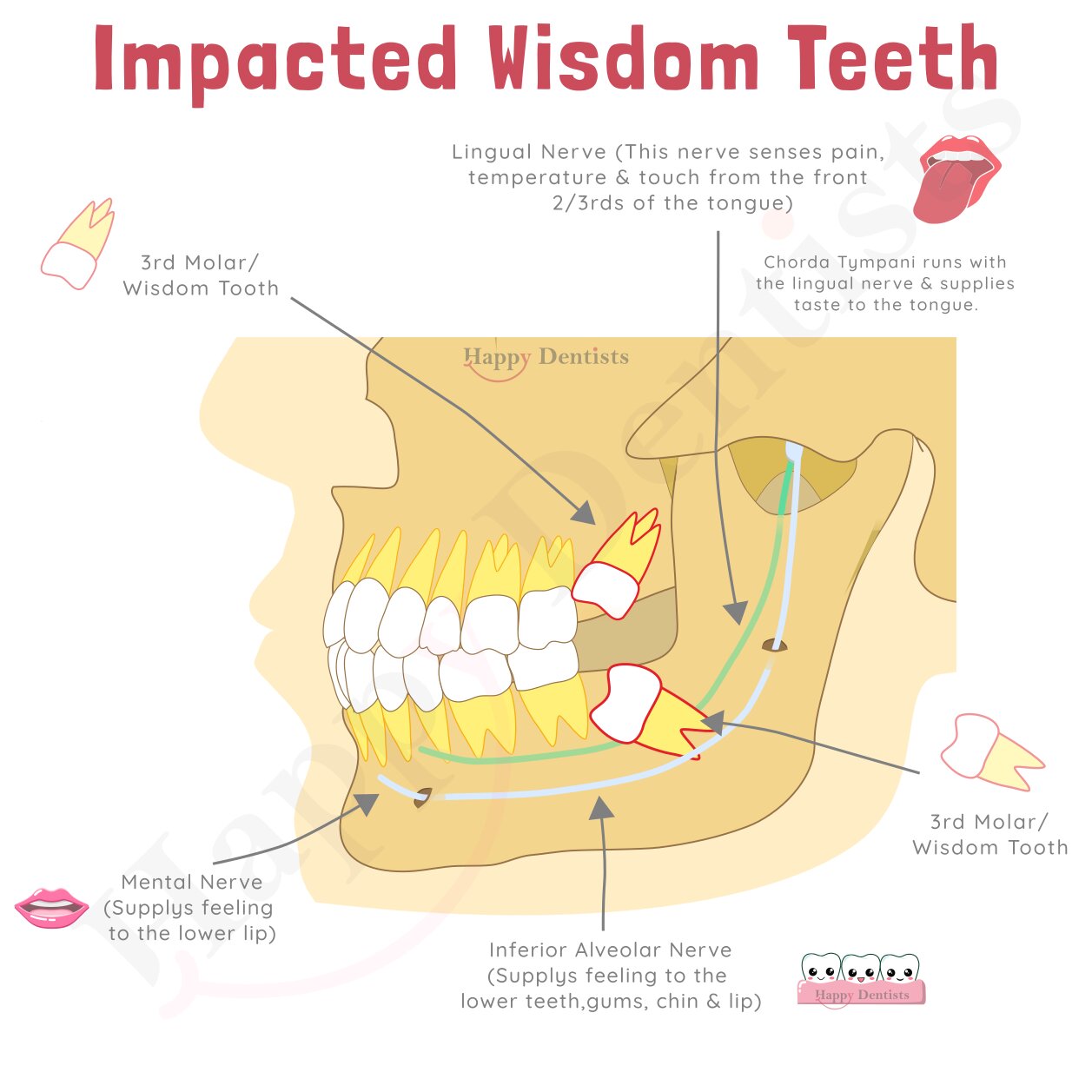
Lower wisdom teeth sit close to major sensory nerves.
This risk is well known in dental practice.
Where imaging shows proximity to the nerve, careful planning, referral, or alternative approaches may be required.
Failure to do so can expose patients to permanent injury.
You Do Not Need Certainty to Seek Clarity
People who receive appropriate care rarely wonder whether legal advice is needed.
That question usually arises when:
- symptoms were dismissed
- explanations never made sense
- harm feels disproportionate
- time passed without answers
Seeking advice does not mean starting a lawsuit.
It means understanding whether the standard of care was met — and whether your outcome could have been different.
When the Problem Was Not Your Body
If you are now living with permanent nerve damage after wisdom teeth removal, the issue may not have been your anatomy.
It may have been a failure to properly assess risk, communicate danger, or act quickly when injury occurred.
That failure may give rise to a medical negligence claim.
Clarifying Your Legal Position
If you want to understand whether nerve damage after wisdom teeth removal caused avoidable harm in your case, a confidential medical negligence assessment can clarify your legal position and options.
About the Lawyer Behind This Article
This article is written by Dr Rosemary Listing, a lawyer with a PhD in medical negligence and extensive experience in claims involving dental and surgical nerve injuries.
She has acted for many people whose nerve damage arose after dental or maxillofacial procedures where risks were not properly assessed, explained, or managed.
In these matters, the injury often resulted not only from surgery itself, but from delay in recognising and responding to nerve injury.
Many of the people she assists are not seeking blame.
They are seeking clarity about whether reasonable steps should have been taken earlier.
Her role is to assess the care against the legal standard that applied at the time and explain whether that standard was met.