
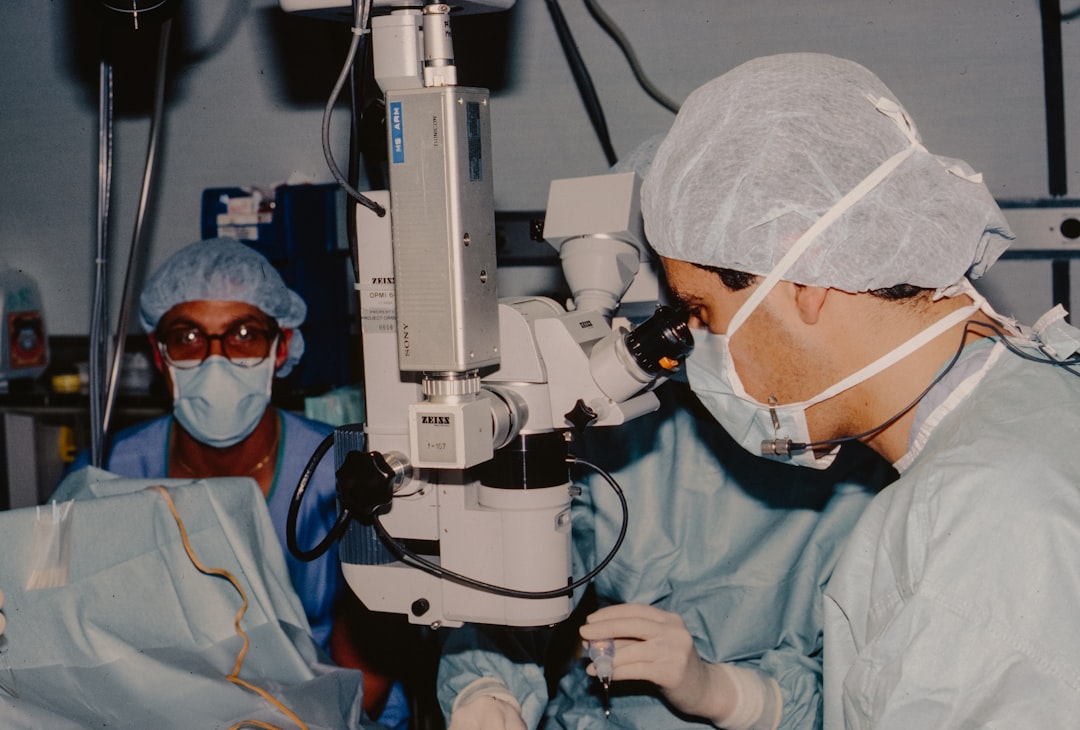
Is it normal to feel regret after jaw surgery — and what can you do about it?
If you typed something like that into a search engine tonight, you are not alone. Thousands of people who have had orthognathic surgery — the clinical name for jaw repositioning surgery — go through a period of profound distress in the weeks and months after their procedure. Some feel grief. Some feel panic. Some feel a quiet, persistent dread they cannot explain to the people around them. This article is written for all of them.
-
1Before surgerySurgeon assesses bite, jaw alignment, and facial structure. Orthodontist prepares teeth. Imaging and surgical planning take place over months.
-
2Surgery dayThe surgeon cuts, repositions, and fixes the jaw bones using titanium plates and screws. Most procedures take two to six hours under general anaesthetic.
-
3Weeks 1–6: acute recoverySignificant swelling distorts the face. Numbness is common. Eating is restricted. Many patients feel shock at their appearance during this phase.
-
4Months 2–6: gradual changeSwelling slowly resolves. The face begins to settle into its new shape. Numbness may persist. Emotional adjustment continues — often intensifying before it improves.
-
5Months 6–18: final resultMost surgeons consider the result fully visible only after twelve to eighteen months. Bone remodelling, nerve recovery, and soft tissue settling all take time.
Understanding jaw surgery: what it is and what normally happens
Orthognathic surgery — sometimes called corrective jaw surgery — repositions one or both jaw bones to correct problems with bite, breathing, chewing, or facial structure. Surgeons perform it to treat conditions including underbite, overbite, open bite, sleep apnoea, and jaw asymmetry. Some people also choose it for aesthetic reasons, though most Australian surgeons require a functional indication before proceeding.
The procedure itself involves cutting the jaw bone — a process called an osteotomy — and moving it to a new position. Titanium plates and screws hold the bone in place while it heals. Most patients spend one to three nights in hospital and then recover at home for several weeks.
What the recovery period actually looks like
Recovery from jaw surgery is longer and more demanding than most patients expect, even when surgeons explain it carefully beforehand. Swelling peaks around day three to five and can be dramatic. The face looks very different during this phase — often unrecognisably so. Numbness in the lips, chin, and cheeks is common and can persist for months. Eating is restricted to soft or liquid foods for weeks.
Many patients describe the early recovery period as genuinely shocking. Seeing a swollen, bruised, unfamiliar face in the mirror — while also managing pain, fatigue, and dietary restriction — creates conditions that are almost designed to produce distress. Understanding this does not make the distress disappear, but it does help to know that the experience is predictable and well-documented.
For general information about jaw surgery and recovery, Healthdirect Australia provides a useful starting point.
Recovery takes longer than most people expect: Surgeons typically consider the final result visible only after twelve to eighteen months. Judging the outcome at six weeks is like judging a photograph while it is still developing.
Swelling distorts everything: The face during peak swelling bears little resemblance to the final result. Many patients who felt profound regret at week four report feeling much more settled by month six.
Nerve recovery is slow: Numbness and altered sensation in the face can persist for six to twelve months. This affects how the face feels to touch and how expressions register — both of which contribute to the sense of unfamiliarity.
Emotional distress is common and documented: Research consistently shows that a significant proportion of orthognathic surgery patients experience psychological distress during recovery, even when the surgical outcome is technically successful.
When feelings of regret begin — and why they happen
Regret after jaw surgery tends to arrive in waves. For some people, it begins in the hospital. For others, it builds slowly over the first few weeks as the reality of recovery sets in. A smaller group feel fine initially and then hit a wall at around the two-to-three month mark, when the acute phase is over but the final result is still months away.
Several things drive this experience. First, the face looks different — sometimes dramatically so — and the brain struggles to reconcile the new image with the stored sense of self. Psychologists call this a disruption to body image. Second, the recovery period strips away normal life: eating, socialising, working, and exercising all become harder. Third, many patients feel isolated because the people around them do not understand why they are not simply relieved that the surgery is over.
The identity dimension
Jaw surgery changes the face. Even when the change is subtle by objective measure, the person living in that face often experiences it as profound. Facial recognition — the ability to look in a mirror and see yourself — is deeply tied to identity. When that recognition breaks down, even temporarily, the psychological effect can be severe.
Some patients describe looking at photographs of themselves before surgery and feeling grief. Others describe avoiding mirrors entirely. A smaller number experience symptoms consistent with body dysmorphic disorder — a condition where a person becomes preoccupied with a perceived flaw in their appearance — though this is distinct from the normal adjustment distress most patients experience.
Signs that your distress may need professional support:
• You are unable to leave the house or engage in daily activities because of how you feel about your appearance
• You are spending several hours each day checking mirrors, photographs, or seeking reassurance
• You are having thoughts of harming yourself or ending your life
• Your distress has not reduced at all after three months of recovery
• You feel unable to discuss how you are feeling with anyone
If any of these apply to you, speaking with your GP about a referral to a psychologist is an important step — not because something is wrong with you, but because you deserve support that matches the scale of what you are going through.
A common pattern — where care can break down
Most people who feel regret after jaw surgery are experiencing a normal, if painful, part of recovery. But some people feel regret because something genuinely went wrong — either in the surgical planning, the procedure itself, or the information they received before they agreed to the operation. These are different situations, and it matters to distinguish them.
Inadequate pre-surgical information
Not being told what recovery would really look like. Surgeons have an obligation to explain the recovery process in enough detail that a patient can make a genuinely informed decision. Some patients report being told recovery takes “a few weeks” without being warned about the severity of swelling, the duration of numbness, or the psychological impact of seeing their face change. When a surgeon understates the difficulty of recovery, the patient cannot make a truly informed choice.
Not being told about the risk of an unsatisfactory aesthetic result. Jaw surgery changes the face. Surgeons should discuss what the face will look like after surgery — including the possibility that the patient may not like the result. Some patients report that their surgeon focused entirely on functional outcomes (bite correction, breathing improvement) without adequately discussing the aesthetic changes they would experience.
Not being screened for psychological vulnerability. Patients with pre-existing body image concerns, anxiety, or depression face a higher risk of psychological distress after jaw surgery. Best practice involves psychological screening before surgery. When a surgeon proceeds without this assessment, a vulnerable patient may be exposed to harm that a proper screening process would have identified.
Surgical errors and poor outcomes
Asymmetry or relapse. Jaw surgery can produce asymmetrical results, or the jaw can shift back toward its original position — a process called relapse — if the surgical planning or fixation was inadequate. These outcomes are not always avoidable, but they are sometimes the result of poor technique or planning.
Nerve damage. The inferior alveolar nerve runs through the lower jaw and is at risk during surgery. Permanent numbness or altered sensation in the lower lip and chin can result from nerve damage during the procedure. Some degree of temporary numbness is expected; permanent numbness may indicate a surgical error.
Failure to refer. Some patients present to general practitioners or dentists with concerns after surgery and are dismissed without referral back to the surgical team or to a specialist. Delayed assessment of post-surgical complications can allow problems to worsen.
The Australian Commission on Safety and Quality in Health Care sets national standards for informed consent and patient communication that apply to surgical procedures including orthognathic surgery.
Why this matters legally
Every surgeon who operates on a patient in Australia owes that patient a duty of care — a legal obligation to provide treatment that meets the standard a competent surgeon in the same field would provide. This duty exists whether the surgery is performed in a public hospital or a private clinic.
Not every difficult outcome after jaw surgery amounts to negligence. Negligence — in the legal sense — means that a clinician’s care fell below the standard a reasonable, competent practitioner would have met, and that this failure caused harm the patient would not otherwise have suffered. A poor aesthetic result alone does not automatically meet this standard. But a failure to properly inform a patient about the risks of surgery, or a surgical error that causes permanent nerve damage, may well do so.
Informed consent is a particularly important area in jaw surgery cases. Australian law requires surgeons to disclose all material risks — meaning any risk that a reasonable patient in that person’s position would want to know about before agreeing to surgery. A surgeon who fails to disclose a material risk, and where the patient would have declined surgery had they known, may have breached their legal obligations regardless of whether the surgery itself was technically competent.
For a broader overview of how medical negligence works in Australia, Reframe Legal — Medical Negligence explains the key concepts in plain language.
Swelling, temporary numbness, and a period of emotional adjustment after jaw surgery — these are expected parts of recovery, even when they are distressing
Permanent nerve damage caused by a surgical error, or a patient who would have declined surgery had the surgeon properly disclosed the aesthetic risks involved
This is a general educational framework only. Each case is assessed on its individual facts.
When jaw surgery outcomes may amount to medical negligence
Several specific scenarios in jaw surgery cases may cross the line from a difficult outcome into a legal claim worth examining.
If your surgeon did not tell you the surgery would change how your face looks. Surgeons must disclose material risks, and a significant change to facial appearance is a material risk for most patients. If you were not told your face would look different — or were told only that the change would be “subtle” when it was not — this may be a failure of informed consent.
If you were not told you might dislike the result. Some patients are shown imaging or models that present an idealised outcome without adequate discussion of the possibility that the actual result may differ. A surgeon who presents only the best-case scenario without discussing realistic variation may not have met the standard of disclosure the law requires.
If you have permanent numbness that your surgeon did not warn you about. Permanent altered sensation in the lower lip, chin, or cheeks is a known risk of jaw surgery. Surgeons must disclose this risk before surgery. If yours did not, and you would have declined the procedure had you known, this may support a claim.
If the surgical result is asymmetrical in a way that was avoidable. Not all asymmetry is negligent — some degree of variation is inherent in complex surgery. But asymmetry caused by poor planning, poor technique, or failure to use appropriate imaging may be a different matter.
The NSW Civil Liability Act 2002 governs personal injury claims in New South Wales, including medical negligence claims. This legislation sets out how courts assess whether a clinician’s conduct fell below the required standard, and it places specific obligations on surgeons around the disclosure of risk.
When harm becomes long-term or permanent
For most people, the distress of jaw surgery recovery fades as the face settles and the result becomes visible. By twelve to eighteen months, many patients who felt profound regret in the early months report feeling genuinely satisfied with their outcome. This is an important thing to hold onto during the hardest part of recovery.
For others, the harm does not resolve. Permanent nerve damage can leave a person with lasting numbness, altered sensation, or chronic pain in the face. An asymmetrical or functionally poor result may require revision surgery — a second major procedure with its own risks and recovery demands. Some patients develop lasting psychological harm, including depression, anxiety, or body dysmorphic disorder, that requires ongoing treatment.
The financial dimension
Jaw surgery is expensive. In Australia, the out-of-pocket costs for orthognathic surgery — including the surgeon’s fee, anaesthetist, hospital, and orthodontic treatment — can reach $20,000 to $40,000 or more. Revision surgery adds further cost. Time off work during recovery represents lost income. Psychological treatment adds ongoing expense. When these costs flow from a failure in care or a failure in disclosure, they become part of the harm a legal claim can address.
What compensation can cover in jaw surgery cases
In New South Wales, compensation in a successful medical negligence claim can cover pain and suffering, lost income, the cost of revision surgery, ongoing medical and psychological treatment, and the cost of care and assistance. The amount depends on the nature and severity of the harm.
| Level of harm | Typical compensation range |
|---|---|
| Moderate injury | $50,000–$150,000 |
| Serious injury | $150,000–$500,000 |
| Severe / life-changing injury | $500,000+ |
Each case is assessed on its own facts. These figures are general ranges only. A case involving permanent nerve damage and the need for revision surgery will be assessed differently from a case involving a consent failure where the patient would have declined surgery.
Time limits apply in NSW. Generally, a person has three years from the date they knew — or ought reasonably to have known — that they had a potential claim. Waiting too long can extinguish the right to pursue one.
Bringing it together — do the pieces fit?
If you are reading this article because something feels wrong — not just emotionally hard, but genuinely wrong — it may help to work through what actually happened.
The difference between a hard recovery and a genuine failure of care is not always obvious from the inside. A second opinion from another oral and maxillofacial surgeon can help clarify whether the surgical result is within normal range. A legal assessment can help clarify whether the information you were given before surgery met the standard the law requires.
For a detailed explanation of how these cases proceed in NSW, Reframe Legal — How Medical Negligence Claims Work in NSW walks through the process step by step.
You don’t need certainty to understand your position
Most people who have had a difficult experience with jaw surgery carry a version of the same doubt: “Maybe I’m overreacting. Maybe this is just what recovery is like. Maybe I should have done more research before I agreed.” These thoughts are understandable. They are also not a reason to avoid seeking clarity.
Legal clarity does not require you to be certain that something went wrong. It requires only that you describe what happened — what you were told, what you agreed to, what occurred, and what the consequences have been. A lawyer with experience in surgical negligence cases can assess those facts and tell you honestly whether they disclose a potential claim.
Informed consent is one of the most important and most frequently misunderstood areas of medical law. For a clear explanation of what surgeons are legally required to tell you before you agree to a procedure, Reframe Legal — Informed Consent and Medical Negligence covers this in detail.
If you want to understand the regulatory framework that governs surgeons in Australia — including how to make a complaint about a practitioner — AHPRA — Australian Health Practitioner Regulation Agency is the relevant body.
About the lawyer behind this article

Dr Rosemary Listing is a NSW lawyer with a PhD in medical negligence. Her academic and legal work focuses on the intersection of clinical standards, informed consent, and patient harm — particularly in surgical contexts where the gap between what patients were told and what they experienced is the central issue.
Jaw surgery cases sit at a particularly complex intersection of functional medicine, aesthetic outcome, and psychological wellbeing. Dr Listing has worked with clients whose harm arose not from a dramatic surgical error, but from a failure to be properly informed — people who would have made a different decision had they understood what the surgery would actually involve.
In her experience, the harm in these cases often comes not from the surgery itself but from the distance between expectation and reality — a distance that proper pre-surgical disclosure is designed to close. When that disclosure does not happen, patients carry the consequences alone.
Clients who approach Dr Listing are typically not seeking blame. Most want to understand whether what happened to them was within the range of acceptable care, or whether something fell short. That question deserves a clear, honest answer — and that is what she works to provide.
Dr Listing’s role is to assess the facts of each case against the standard of care the law requires, and to give clients the information they need to make their own informed decisions about what to do next.
This article is general legal information only. It does not constitute legal advice. Each person’s circumstances are different. The law discussed applies to New South Wales, Australia. Time limits apply to legal claims.