
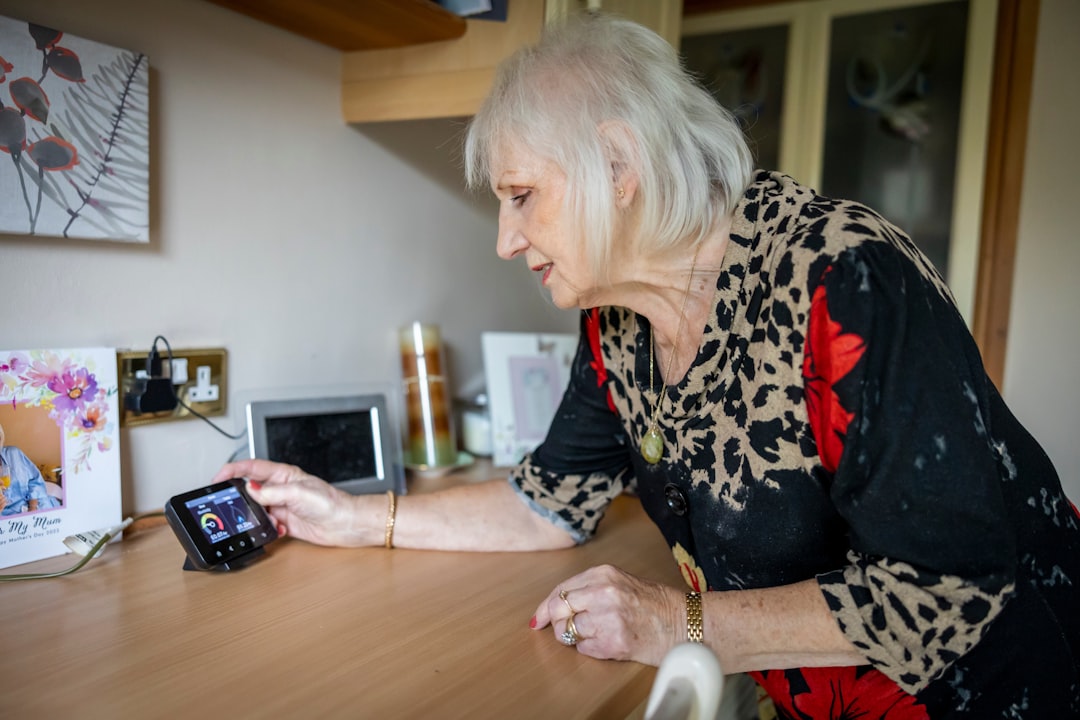
When a Dexcom CGM gives a wrong reading: can a device failure or clinical oversight failure give rise to a medical negligence claim in NSW?
People with diabetes who use a Dexcom G6 or G7 continuous glucose monitor (CGM) place an extraordinary degree of trust in those devices. That trust is reasonable. These monitors are approved therapeutic goods, subsidised under the National Diabetes Services Scheme, and integrated into clinical management plans by endocrinologists and diabetes educators across Australia. When they work as intended, they transform diabetes management. When they fail — or when the clinical framework around them fails — the consequences can be severe and fast.
The question this article addresses is not whether Dexcom devices are generally reliable. The question is what happens when a reading is wrong, when an alert does not fire, or when a clinician prescribes or supervises CGM use without putting the safeguards in place that the device’s own labelling and clinical guidelines require.
If that question is familiar, this article is written for you. It explains what the standard of care requires when CGM technology is integrated into diabetes management, where that standard is most commonly breached, and what NSW law says about the legal consequences of those failures.
What a CGM is and how it should be managed
A continuous glucose monitor measures interstitial fluid glucose — the glucose in the fluid surrounding cells just beneath the skin — rather than blood glucose directly. The Dexcom G6 and G7 use a small sensor inserted under the skin, typically on the abdomen or upper arm, which transmits readings to a receiver or smartphone every five minutes.1 The G7 is the current generation; it is smaller, has a shorter warm-up period, and integrates with insulin pump systems including closed-loop automated insulin delivery (AID) systems.
Both devices are approved by the Therapeutic Goods Administration (TGA) as therapeutic goods and are listed on the National Diabetes Services Scheme (NDSS) for eligible Australians with type 1 diabetes and, since 2022, for some people with type 2 diabetes on intensive insulin therapy.2 According to the Australian Institute of Health and Welfare, approximately 1.3 million Australians live with diagnosed diabetes, with type 1 diabetes accounting for around 10 percent of cases.3
Standard clinical management when a CGM is prescribed includes: an initiation session with a credentialled diabetes educator, individualised alert threshold setting, education on when to perform a confirmatory fingerprick blood glucose test (BGT), and a clear protocol for what to do when the sensor reading conflicts with symptoms. The device is not designed to replace clinical judgment. It is designed to inform it.
What it requires: Clinicians prescribing or supervising CGM use must provide structured education on device limitations, including the lag time between interstitial and blood glucose readings, the requirement to confirm with a fingerprick BGT before treating hypoglycaemia in symptomatic patients, and the circumstances in which CGM readings are known to be unreliable (including during rapid glucose change, acetaminophen use, and sensor warm-up periods).
Why this matters: A clinician who prescribes a CGM without providing this education, or who designs a management plan that treats CGM readings as infallible, has not met the standard the relevant professional bodies require — and that gap can constitute a breach.
For further clinical background on diabetes management and CGM technology, Healthdirect Australia provides accessible, evidence-based information.
The standard of care — what clinicians are required to do
The standard of care in law means the standard of a reasonably competent practitioner in the relevant specialty at the time of the treatment. For CGM management, that standard is defined by the prescribing clinician’s specialty — typically an endocrinologist, general practitioner with a special interest in diabetes, or credentialled diabetes educator — and by the device’s approved labelling and the relevant professional guidelines.
What a reasonably competent clinician does when integrating CGM technology into a patient’s management plan includes the following:
- Assessing whether the patient is an appropriate candidate for CGM, including their capacity to understand and respond to alerts.
- Setting individualised alert thresholds — not leaving factory defaults in place for a patient with a history of severe hypoglycaemia.
- Educating the patient on the interstitial lag: CGM readings can trail blood glucose by up to 15–20 minutes during rapid glucose change, meaning a reading of 4.5 mmol/L may reflect a blood glucose that is already 3.0 mmol/L and falling.4
- Providing a clear protocol for confirmatory fingerprick testing before treating a low reading with fast-acting carbohydrate or adjusting insulin.
- Reviewing CGM data at follow-up appointments — not simply asking “how are you going” but examining the time-in-range data, the frequency of alerts, and the pattern of overnight readings.
- Documenting the education provided and the management plan in the clinical record.
Where a CGM is integrated into a closed-loop AID system — where the CGM reading directly drives automated insulin delivery — the standard is higher still. A clinician who configures an AID system without ensuring the patient understands how to override it, or who fails to review the system’s performance data at follow-up, has not met the standard that the complexity of that technology demands.
| Failure Pattern | What Should Have Happened | What Went Wrong | Harm That Resulted |
|---|---|---|---|
| False low / sensor inaccuracy | Clinician educates patient to confirm symptomatic lows with fingerprick BGT before treating; management plan documents this protocol. | No confirmatory protocol provided. Patient treats a false low with fast-acting carbohydrate, driving blood glucose into hyperglycaemic range. | Rebound hyperglycaemia; DKA risk in type 1; repeated overcorrection cycles causing glucose instability. |
| Missed high alert / alert fatigue | Clinician reviews alert frequency data at follow-up; adjusts thresholds to reduce alarm fatigue; documents revised plan. | Alert thresholds left at factory default. Patient silences persistent alerts. Clinician does not review alert data at follow-up appointments. | Sustained undetected hyperglycaemia; diabetic ketoacidosis (DKA); hospitalisation. |
| Signal dropout / no readings | Patient educated on what to do when sensor loses signal; fingerprick BGT protocol in place; clinician documents fallback plan. | No fallback protocol provided. Patient relies on last displayed reading. Sensor dropout occurs overnight; severe hypoglycaemia goes undetected. | Nocturnal hypoglycaemia; seizure; hypoglycaemia unawareness; in severe cases, hypoglycaemia-associated autonomic failure. |
This table reflects documented failure patterns in CGM clinical use. Each case depends on its individual facts and clinical context.
Where care breaks down — specific failure patterns
CGM-related harm does not usually arise from a single catastrophic error. It arises from a gap between what the technology can do and what the clinical framework around it actually provides. The following failure patterns are the most clinically significant.
Failure to educate on the interstitial lag
The Dexcom G6 and G7 measure interstitial glucose, not blood glucose. During periods of rapid glucose change — after a meal, during exercise, or when insulin is peaking — the interstitial reading can lag behind the actual blood glucose by 15 to 20 minutes.4 A clinician who does not explain this lag, and who does not give the patient a clear protocol for when to confirm with a fingerprick test, has left a dangerous gap in the management plan.
The patient trusts the number on the screen. The number says 5.2 mmol/L with a flat arrow. She takes her insulin dose. But her blood glucose was already 3.8 mmol/L and falling. Forty minutes later, she is on the floor.
This failure happens because CGM technology is presented — in marketing, in media, and sometimes in clinical consultations — as a replacement for fingerprick testing rather than a complement to it. The device’s own labelling requires confirmatory testing in specific circumstances. A clinician who does not communicate those circumstances has not met the standard.
Alert threshold misconfiguration and alert fatigue
Both the G6 and G7 allow clinicians and patients to set individualised alert thresholds for high and low glucose values. Factory default settings are not clinically individualised. A patient with a history of hypoglycaemia unawareness — meaning they no longer feel the warning symptoms of a low — needs a higher low alert threshold than a patient with intact hypoglycaemia awareness. A clinician who prescribes a CGM and leaves threshold configuration entirely to the patient, without reviewing those settings at follow-up, has not engaged with the clinical task the device requires.
Alert fatigue is a documented problem. When alerts fire too frequently — because thresholds are set too broadly — patients silence them. The Australian Commission on Safety and Quality in Health Care has identified alert fatigue as a patient safety risk across multiple clinical contexts, including device-generated alerts in diabetes management.5 A clinician who reviews CGM data at follow-up and sees a pattern of frequent alerts without adjusting the management plan has missed a clear signal.
Failure to provide a fallback protocol for sensor dropout
CGM sensors lose signal. They fail during the warm-up period. They read inaccurately when compressed during sleep. Both the G6 and G7 display a “no readings” or “signal loss” indicator when this occurs. A patient who has not been told what to do when the sensor goes dark — specifically, that they must revert to fingerprick BGT — is left without any glucose monitoring at all.
Overnight sensor dropout in a patient with hypoglycaemia unawareness is a genuine emergency risk. The patient has no symptoms to wake them. The device is silent. Nobody ordered a fallback plan. He was found unresponsive at 6 a.m.
Inadequate supervision of closed-loop automated insulin delivery systems
The Dexcom G7 integrates with AID systems — including the Omnipod 5 and Tandem t:slim X2 — where the CGM reading directly drives automated insulin dosing. This is a significant clinical responsibility. A clinician who initiates a patient on an AID system without structured education on override procedures, target glucose settings, and what to do when the system behaves unexpectedly has not met the standard that this level of technological complexity demands. The consequences of a misconfigured AID system are not minor: they include severe hypoglycaemia and DKA.
What happened: A patient suffered harm following a clinical decision that relied on monitoring data without adequate verification of that data’s reliability in the specific clinical context.
What the court found: The Court of Appeal confirmed that a clinician’s duty extends to understanding the limitations of the tools they use in clinical decision-making, and that reliance on a monitoring result without appropriate verification can constitute a breach of the standard of care.
Why this matters: A clinician who relies on a CGM reading without educating the patient on its limitations — or without building in verification protocols — faces the same analytical framework the Court applied here.
The legal framework in NSW
Medical negligence claims in NSW are governed primarily by the Civil Liability Act 2002 (NSW) (CLA). The CLA sets out the framework for establishing negligence and imposes specific rules that affect how medical claims are assessed.
Three elements must be established: duty of care, breach, and causation. Every clinician who takes on the management of a patient’s diabetes — including prescribing or supervising CGM use — owes that patient a duty of care. Breach means falling below the standard of a reasonably competent practitioner in the relevant specialty. Causation requires showing that the breach caused the harm — that proper care would have produced a different outcome.
Section 5O of the CLA provides a defence where a clinician acted in a manner that was widely accepted by peer professional opinion as competent professional practice. This defence has limits. It does not protect a clinician whose practice was not widely accepted, and it does not apply where the court finds the peer opinion was not reasonable.6 A clinician who prescribed a CGM without any education on its limitations, and whose peers would not accept that approach as competent, cannot shelter behind section 5O.
Section 5D addresses causation. The “but for” test asks: but for the breach, would the harm have occurred? In CGM cases, this question often turns on whether proper education and a confirmatory protocol would have prevented the patient from acting on the inaccurate reading. Where the answer is yes — where a fingerprick test would have revealed the true glucose level and the patient would have acted differently — causation is established.
The duty of care in CGM-related harm rests with the prescribing clinician (typically an endocrinologist or GP), the credentialled diabetes educator who conducted the initiation session, and — in some circumstances — the hospital or health service that employed them. Where a device defect caused or contributed to the harm, the manufacturer’s liability under the Australian Consumer Law (Schedule 2, Competition and Consumer Act 2010 (Cth)) may also be engaged, separately from the clinical negligence framework.
For a full explanation of how medical negligence claims work in NSW, see Reframe Legal — Medical Negligence.
What happened: A patient suffered serious harm following a failure to investigate and act on clinical signs that a reasonably competent clinician would have pursued.
What the court found: The High Court confirmed that the standard of care requires a clinician to take positive steps — not merely to avoid active errors — and that a failure to act on available information can constitute a breach.
Why this matters: A clinician who reviews CGM data showing frequent alerts or poor time-in-range and takes no action has failed to take the positive steps the standard requires.
When CGM-related care may amount to medical negligence
Prescribing without structured initiation education
If a clinician prescribed a Dexcom G6 or G7 and provided no structured education — or education that did not cover the interstitial lag, confirmatory testing requirements, and alert management — that gap engages the breach element directly. The Australian Diabetes Society’s position statement is explicit about what initiation education must include.7 Deviation from that standard, where it caused harm, is not a matter of clinical judgment. It is a failure to meet a documented requirement.
Failure to review CGM data at follow-up
Both the G6 and G7 generate detailed retrospective data — time in range, time below range, alert frequency, glucose variability. A clinician who conducts a follow-up appointment without reviewing this data has not engaged with the primary clinical tool the patient is using to manage their condition. Where that failure allowed a dangerous pattern to continue undetected, causation is engaged: a review would have revealed the problem, and intervention would have prevented the harm.
Misconfigured AID system causing hypoglycaemia or DKA
Where a clinician configured or supervised a closed-loop AID system and the configuration caused the system to deliver excessive insulin — or to withhold insulin inappropriately — the harm is directly traceable to a specific clinical act. This is among the clearest breach scenarios in CGM-related negligence: a specific decision, a specific outcome, a specific failure to meet the standard the technology’s complexity required.
Device defect intersecting with clinical failure
In some cases, the CGM itself malfunctions — a sensor that reads consistently high or low, a transmitter that drops signal without warning, a software error in the G7’s algorithm. Where a device defect caused harm, the legal analysis bifurcates: the manufacturer may face product liability under the Australian Consumer Law, and the clinician may face negligence liability if they failed to act on the patient’s reports of inaccurate readings. Both pathways can run concurrently.
The three elements applied to CGM-related harm
The following diagram maps the three elements of negligence to the specific clinical context of CGM management. All three elements must be established for a claim to succeed. A bad outcome — even a serious one — does not automatically satisfy all three.
A sensor reading that is transiently inaccurate despite correct insertion, correct calibration, and a management plan that included all required education and a confirmatory protocol — this is a known device limitation within acceptable clinical risk.
A clinician who prescribed a CGM for a patient with hypoglycaemia unawareness, provided no education on the interstitial lag or confirmatory testing, left alert thresholds at factory default, and did not review CGM data at any follow-up appointment — where that patient then suffered a severe nocturnal hypoglycaemic event.
This is a general educational framework only. Each case depends on its individual facts and circumstances.
Long-term and permanent harm
The physical consequences of CGM-related care failures range from acute to permanent. Severe hypoglycaemia — blood glucose below 3.0 mmol/L with impaired consciousness — causes neurological injury when prolonged. A single episode of severe hypoglycaemia can produce cognitive impairment, cardiac arrhythmia, and, in the most serious cases, death.8 Repeated episodes of severe hypoglycaemia accelerate hypoglycaemia unawareness, creating a compounding cycle where the patient loses the physiological warning system that would otherwise protect them.
Diabetic ketoacidosis arising from undetected sustained hyperglycaemia carries its own harm trajectory: acute kidney injury, cerebral oedema, and — in severe cases — permanent organ damage. Hospitalisation for DKA carries a mortality risk that, while low in well-resourced settings, is not zero.
Timeline is illustrative of documented clinical risk escalation. Individual presentations vary. Sources: Dexcom G6/G7 prescribing information; Australian Diabetes Society clinical guidance.
Psychological harm is also well-documented. Fear of hypoglycaemia — a recognised clinical condition — affects quality of life, sleep, and the willingness to maintain tight glucose control. A patient who has experienced a severe hypoglycaemic event because their CGM gave a wrong reading, and because no one told them to verify it, carries that fear forward. According to research published in Diabetic Medicine, fear of hypoglycaemia is among the most significant barriers to optimal diabetes self-management in adults with type 1 diabetes.9
Financial consequences include hospitalisation costs, lost income during recovery, ongoing specialist review, and — in cases of permanent neurological injury — lifetime care costs and lost earning capacity.
What compensation covers in NSW
General damages compensate for pain, suffering, and loss of amenity. Under section 16 of the CLA, general damages are only available where the severity of the non-economic loss reaches at least 15 percent of a most extreme case. For CGM-related harm, this threshold is most clearly met in cases involving permanent neurological injury, severe hypoglycaemia unawareness, or significant ongoing disability.
Special damages cover out-of-pocket losses: past and future medical expenses, past and future lost income, care and assistance costs, and aids and equipment. In cases involving permanent harm, economic reports quantifying future lost earning capacity and lifetime care costs form a central part of the damages assessment.
| Severity of harm | Indicative range (NSW) | Key factors |
|---|---|---|
| Moderate injury with recovery | $50,000–$150,000 | Duration of hypoglycaemia, hospitalisation, time off work, psychological impact |
| Serious injury with lasting effects | $150,000–$500,000 | Hypoglycaemia unawareness, ongoing cognitive effects, repeated hospitalisations, care needs |
| Severe or life-changing injury | $500,000–$2,000,000+ | Permanent neurological injury, catastrophic hypoglycaemic event, lifetime care, lost earnings |
These figures are general reference ranges only. Each case turns on its own evidence — medical records, expert clinical opinion, and economic reports that quantify the actual loss.
The limitation period under the Limitation Act 1969 (NSW) is three years from the date the cause of action is discoverable — meaning the date the person knew, or ought reasonably to have known, that they had suffered harm that was caused by the clinician’s conduct. For CGM-related harm, that date is not always obvious. A person who suffered a severe hypoglycaemic event may not connect it to a failure in their clinical management until much later. The discovery rule preserves the claim in those circumstances, but time limits are real and they affect your position.
How to think about your own situation
The question at the top of this article — whether your CGM gave you a reading you trusted, and whether acting on it made things worse — is the starting point, not the conclusion. What matters legally is whether the clinical framework around that device met the standard it was required to meet.
The pattern that emerges from these questions — a device prescribed without adequate education, data never reviewed, alerts never adjusted, no fallback plan — is not a pattern of bad luck. It is a pattern of clinical management that did not meet the standard the technology required. Whether that pattern, in your specific circumstances, constitutes a breach that caused your harm is a question that requires examination of your clinical records and expert clinical opinion. That is the legal assessment process. Reframe Legal — How Medical Negligence Claims Work in NSW explains what that process involves.
Uncertainty is normal — and it is not evidence that nothing went wrong
Most people who have been harmed by a CGM-related care failure do not arrive at a legal question with certainty. They arrive with doubt. They trusted the technology. They trusted the clinician who prescribed it. They wonder whether they should have known better — whether they should have done more fingerprick tests, read the manual more carefully, pushed harder at appointments.
That self-doubt is understandable. It is also legally irrelevant to the central question. The standard of care is an objective test. It asks what a reasonably competent clinician in the relevant specialty would have done — not what the patient could have done differently. A patient who acted on a CGM reading because no one told them to verify it has not contributed to their own harm in any legally meaningful sense. The obligation to provide that education sat with the clinician.
Legal analysis works from objective evidence: the clinical records, the device data, the prescribing documentation, and expert clinical opinion on whether the management plan met the standard. Your certainty about what happened is not the threshold. The records are.
For information on what clinicians are legally required to tell patients about the limitations of the devices and treatments they prescribe, see Reframe Legal — Informed Consent and Medical Negligence. For information on the regulatory framework governing registered health practitioners in Australia, including the obligations of endocrinologists, GPs, and credentialled diabetes educators, see AHPRA — Australian Health Practitioner Regulation Agency.
About Dr Rosemary Listing

Dr Rosemary Listing holds a PhD in medical negligence law and medical qualifications, and practises exclusively in medical negligence at Reframe Legal. Her practice focuses on cases where clinical and technological complexity intersect — including cases involving medical devices, digital health tools, and the clinical supervision obligations that accompany them.
CGM-related negligence sits at a genuinely difficult intersection: the technology is sophisticated, the clinical obligations are documented in professional guidelines, and the harm — when it occurs — can be both severe and difficult to attribute without careful analysis of the device data alongside the clinical record. Understanding both sides of that intersection is what this area of law requires.
The cases that reach NSW courts and the HCCC complaints that document CGM-related harm share a consistent pattern: not device failure in isolation, but device failure compounded by a clinical framework that did not provide the education, the individualised configuration, or the follow-up review the standard required. The records in those cases tell a clear story about what was and was not provided.
People who seek legal examination of their CGM-related harm are rarely looking to blame anyone. They are looking to understand whether what happened to them was avoidable — whether the clinical framework around the device they trusted was built to the standard it was supposed to meet. Many have waited a long time before asking that question, often because they blamed themselves or the technology rather than the clinical management.
Dr Listing examines clinical records alongside expert opinion from endocrinologists and credentialled diabetes educators to give an honest answer about whether the standard of care was met — and what the legal consequences of that assessment are.
- Dexcom, Inc. Dexcom G7 Continuous Glucose Monitoring System — User Guide. San Diego: Dexcom, Inc., 2022. Available at: dexcom.com.
- Therapeutic Goods Administration. Australian Register of Therapeutic Goods — Dexcom G6 and G7 listings. Canberra: TGA, Department of Health and Aged Care. Available at: tga.gov.au.
- Australian Institute of Health and Welfare. Diabetes: Australian Facts 2023. Canberra: AIHW, 2023. Available at: aihw.gov.au.
- Basu A, Dube S, Veettil S, et al. “Time lag of glucose from intravascular to interstitial compartment in type 1 diabetes.” Journal of Diabetes Science and Technology. 2015;9(1):63–68.
- Australian Commission on Safety and Quality in Health Care. Alert Fatigue and Clinical Decision Support: Safety Considerations. Sydney: ACSQHC, 2020. Available at: safetyandquality.gov.au.
- Civil Liability Act 2002 (NSW), s 5O.
- Australian Diabetes Society and Australian Diabetes Educators Association. Position Statement: Continuous Glucose Monitoring. Sydney: ADS/ADEA, updated 2022. Available at: diabetessociety.com.au.
- Cryer PE. “Hypoglycaemia-associated autonomic failure in diabetes.” American Journal of Physiology — Endocrinology and Metabolism. 2001;281(6):E1115–E1121.
- Hendrieckx C, Halliday JA, Beeney LJ, Speight J. “Diabetes and emotional health: a practical guide for healthcare professionals supporting adults with type 1 or type 2 diabetes.” Diabetic Medicine. 2016;33(10):1297–1305.
- Dobler v Halverson [2007] NSWCA 335.
- Naxakis v Western General Hospital (1999) 197 CLR 269.
- Limitation Act 1969 (NSW), s 50C.
- Competition and Consumer Act 2010 (Cth), Schedule 2 (Australian Consumer Law), Part 3-5 (liability for defective goods).
This article contains general legal information only. It does not constitute legal advice, and reading it does not create a lawyer–client relationship. The law discussed applies to New South Wales, Australia. Each person’s circumstances differ. Time limits apply to legal claims in NSW, and these limits may affect your position. You should seek independent legal advice about your specific situation.